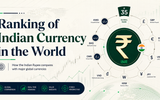
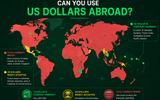
US Dollar
 Euro
Euro British Pound
 UAE Dirham
 Australian Dollar
 Singapore Dollar
How to Compare Forex Cards in India (And Actually Save Money)

Summary
The exchange rate on a forex card is locked the moment you load it, not when you spend. That means the card you pick, and when you load it, directly affects how much money you actually have abroad. This guide explains how forex cards work, what to compare before you choose one, and how to avoid the fees that most travellers only discover after the fact. It also outlines a practical forex card comparison so you can quickly compare forex cards on rates, fees, and support.
What Is a Forex Card and Why Should You Use One?
Most people heading abroad reach for their debit card without thinking twice. Then the bill arrives and there's a 3-5% currency conversion charge they never saw coming.
A forex card solves that. It's a prepaid card loaded with foreign currency before you travel, which means the exchange rate is locked in when you load it, not when you spend. You're not exposed to daily rate swings, and you're not paying your bank's inflated conversion fees every time you swipe.
Beyond rates, forex cards are safer than cash. If a card is lost or stolen, it can be blocked immediately. Most providers also offer zero liability on unauthorised transactions. And because they work like standard debit cards, they're accepted at ATMs, hotels, restaurants, and retail stores worldwide. This straightforward forex card usage makes everyday spending simple.
For students heading abroad, frequent business travellers, and families on international holidays, a forex card is one of the simplest ways to save money without changing anything about how you spend.
Single-Currency vs Multi-Currency: Which One Do You Need?

The difference comes down to your itinerary.
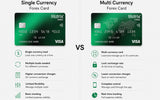
A single-currency card holds one foreign currency, say, USD or EUR. It's straightforward, easy to manage, and works well if you're traveling to one country. No complexity, no juggling.
A multi-currency card lets you load several currencies onto the same card. If you're going from London to Paris to Amsterdam in one trip, you can hold GBP, EUR, and more without carrying separate cards or exchanging money at every border. Funds in one currency don't automatically convert to another when you spend, which means you avoid unnecessary cross-currency charges. When planning a multi currency forex card comparison, map your likely destinations and match the supported wallets.
For most travellers doing a single-country trip, a single-currency card is sufficient. For anyone with a multi-destination itinerary, a multi-currency card is the smarter choice.
Key Features to Compare Before You Decide

Not all forex cards are built the same. Before you pick one, here's what actually matters. When you compare forex cards, focus on practical forex card features and do a quick forex card charges comparison to see the true cost.
Exchange rates are the starting point. The rate you get when you load the card is the rate you're locked into. Banks typically add a 2-5% markup on top of the interbank rate. On ₹1 lakh, that's ₹2,000-5,000 gone before you've even boarded the flight.
Fees are where providers make their money. Look for four things: issuance fees (what you pay to get the card), reload fees (charged every time you add money), ATM withdrawal fees (can be flat or percentage-based), and inactivity or closure fees. Some cards waive several of these, others stack them.
Reload convenience is easy to underestimate. You might need to top up mid-trip if plans change or the trip runs longer. Cards that offer instant reloads via a mobile app are significantly more useful than those requiring a branch visit or lengthy processing time.
Customer support is easy to overlook until something goes wrong. A blocked card or failed transaction abroad needs a fast resolution. Look for 24/7 support and check reviews to see how providers actually handle problems.
Accepted currencies especially relevant if your destination uses a less common currency. Most cards cover major ones (USD, EUR, GBP, AED, SGD), but always verify before loading.
How to Find the Best Exchange Rate
The exchange rate on a forex card is fixed the moment you load it. That's both the advantage and the variable you need to manage.
Rates change daily based on global currency markets. Most providers update their rates at least once a day, and some update in real time. Loading during a favorable rate window, when the rupee is stronger against your destination currency, directly reduces what you pay per unit of foreign currency. On larger loads, this difference is real and worth chasing.
A few practical tips: check rates across at least two or three providers before loading. Factor in the full cost, a card with a slightly better rate but higher reload and ATM fees may cost more overall. And watch for promotional offers, particularly from authorised forex dealers, who sometimes run zero-fee loading periods. If you're in India, do a quick forex card rates comparison or even a targeted forex card rates comparison india across banks and RBI-authorised dealers.
For a trip funded with ₹1 lakh or more, a 30-minute comparison exercise is genuinely worth your time.
Top Forex Cards for International Travel
The right card depends on your travel pattern, but here are the options most worth evaluating. Consider these among the best forex cards to shortlist, and skim a recent forex card review for each before applying.
The Matrix Forex Card runs on the Visa network and holds up to 28 currencies on a single card. It is issued by Matrix Forex Services, an RBI-authorised Authorised Dealer Category-II, and loads at the live interbank rate with no markup added. It runs on live interbank rates with zero markup, meaning you get the actual market rate, with nothing added on top. It supports multiple currencies and is available with same-day delivery, including weekends. Customer support goes through direct branch manager contact rather than a generic helpline, which makes a difference when you need something resolved quickly. For travellers who want transparent pricing and reliable service, it's worth putting at the top of your comparison list.
HDFC Multicurrency Platinum ForexPlus Card supports up to 22 currencies and comes with a reward points system. It includes emergency cash assistance and is a solid choice for frequent travellers who want broad currency coverage.
SBI Multi-Currency Foreign Travel Card is widely available and covers the major currencies. Worth reviewing their current fee schedule before loading, as charges can vary.
Each of these options has a different strength. Matrix leads on rate transparency and service. HDFC leads on currency range. ICICI is a strong pick for student use cases. Your choice should match how you travel, not just which brand you recognize.
Reloading Your Forex Card: What to Look For
A card you can't reload quickly becomes a problem mid-trip.
The best cards let you add funds instantly through a mobile app or web portal, with the new balance available almost immediately. Some providers also send real-time transaction alerts, so you always know your balance without logging in.
If you're planning a long trip or one where expenses might fluctuate, prioritise cards with genuinely fast reload infrastructure, not just an app that takes 24-48 hours to reflect the funds.
Charges to Watch Out For
This is where the real cost difference between cards shows up. Common charges include:
Issuance fee - a one-time charge to get the card. Some providers waive this on first issuance.
ATM withdrawal fee - either a flat fee per withdrawal or a percentage of the amount. If you plan to use cash frequently, this adds up fast.
Reload fee - charged each time you add money. On a long trip with multiple reloads, this matters.
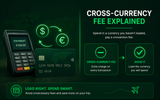
Cross-currency transaction fee - applies when you spend in a currency not loaded on the card. This one catches people off guard most often.
Inactivity or closure fee - charged if the card sits unused for a period, or when you close the account and withdraw the remaining balance.
Before committing to any card, read the full fee schedule, not just the headline rate. A quick forex card charges comparison can flag hidden costs early, especially if you’re doing a broader forex card comparison India.
Security and Other Benefits
Forex cards offer a meaningful security advantage over cash. A stolen card can be blocked instantly; stolen cash is just gone.
Most cards also come with additional protections, zero liability on unauthorised transactions, emergency card replacement abroad, and in some cases, complimentary travel insurance. These aren't universal, so check what your specific card includes. These practical forex card benefits often matter more than small rate differences.
The locked-in exchange rate is itself a form of financial protection. Once you load, you're insulated from currency movements for the duration of your trip. If the rupee weakens after you load, it doesn't affect your card balance.
How to Choose the Right Card for Your Trip

Start with your destinations and the currencies you'll actually need. Then compare total cost, rate plus fees for how you'll use it (ATM frequency, number of reloads, duration of trip). A concise forex card comparison that weighs both pricing and support goes a long way.
Check reload convenience. If you're traveling for more than two weeks, the ability to top up quickly matters. Look at customer support quality, particularly for the provider's after-hours or international support.
Finally, consider whether the card is from an RBI-authorised provider. In India, forex cards should be issued by entities with RBI authorisation, it's a basic trust and compliance signal that's worth verifying. If you’re in India, a simple forex travel card comparison india across leading banks and authorised dealers will surface the best fit for your route and spending style.
The best card is the one that costs you the least overall and creates the least friction when something doesn't go according to plan.
Conclusion
A forex card is one of the few travel decisions where a bit of upfront research pays off for every trip after. Better rates, lower fees, and faster support compound over time, especially if you travel regularly.
Compare total cost, not just the headline rate. Check reload convenience before you need it. And choose providers who are upfront about what they charge, the ones who aren't tend to make it up somewhere in the fine print. For clarity, do a brief forex card comparison with a side-by-side forex card rates comparison before loading.
If you're looking for a place to start, Matrix Forex offers live interbank rates with zero markup, same-day delivery, and direct support from branch managers who can actually resolve issues. You can check current rates and apply at matrixforex.in.
Frequently Asked Questions
What does "best overall value" mean when comparing forex cards?
It's the total cost and convenience you'll experience abroad. Compare the locked-in exchange rate at the time of loading plus every applicable fee, issuance, ATM withdrawals, reloads, alongside how easy it is to reload online or via app, how widely the card is accepted, and the quality of customer support. A card with a slightly better rate can be worse overall if fees or reload friction are high. Pick the option that balances competitive rates, low fees, simple reloads, strong support, and wide acceptance.
Should I choose a single-currency or a multi-currency forex card?
Match the card type to your itinerary. For a one-country trip, a single-currency card is simple and effective. For multi-destination travel, a multi-currency card lets you hold and switch between several currencies on one card, no juggling multiple cards or frequent exchanges. Choose based on where you're going and which currencies you'll actually need. For complex itineraries, start with a quick multi currency forex card comparison.
How can I get better rates when loading my forex card?
The rate is locked at the moment you load, so timing matters. Monitor daily exchange rate movements and watch for provider promotions. Load when rates are favorable, and compare at least two or three providers before committing. For large amounts, even a small rate difference makes a real rupee impact. A brief forex card rates comparison can highlight the best window.
Which fees matter most?
The main cost drivers are issuance fees, ATM withdrawal fees, and reload fees. Also watch for cross-currency transaction fees, these apply when you spend in a currency not loaded on the card and catch a lot of travellers off guard. Compare fee schedules side by side and prioritise based on how you'll actually use the card. A focused forex card charges comparison will reveal the biggest line items.
What makes Matrix Forex Card different from bank-issued forex cards?
Matrix Forex is an RBI-authorised Category II forex dealer, not a bank. The card runs on live interbank rates with zero markup, you get the actual market rate. It also offers same-day delivery including weekends, and support through direct branch manager contact rather than a call centre queue. For travellers who want rate transparency and responsive service, it's a strong alternative to the standard bank-issued options.
How do I choose among popular options like HDFC, SBI, and Matrix?
Start with your destinations and required currencies, then compare exchange rates, full fee schedules, and reload convenience. HDFC supports up to 22 currencies and offers rewards and emergency cash assistance. SBI is widely available, check their current fee schedule before loading. Matrix Forex leads on rate transparency (zero markup, live rates) and service responsiveness. Pick the one that fits your travel pattern, needed currencies, and total cost. A quick forex card comparison can make the trade-offs clear.
Same-day delivery · RBI-authorised · No hidden charges
Get Free Callback →More from the Blog