


London Travel Guide
Buy British PoundsLondon at a glance
London is where most Indian trips to the UK begin and end: the British Museum, the National Gallery and Tate Modern are free, the West End sold 17.6 million theatre tickets in 2025, and the Thames links the sights from Westminster to the Tower. Three to five days covers a first visit, and fast trains reach Manchester in about two hours and Edinburgh in just over four.
Most flights from India land at Heathrow. The Elizabeth line reaches Paddington in about 27 minutes for £14.60, the Piccadilly line takes about 48 minutes to Piccadilly Circus for £5.90, and the Heathrow Express does the run to Paddington in 15 minutes for £26, or from £10 if booked at least 30 days ahead. From Gatwick, the Gatwick Express costs £24 to Victoria, and Southern and Thameslink trains £10.70 off-peak.
The national museums are free; the big paid sights are not cheap. The Tower of London costs £38, Westminster Abbey £32, St Paul's Cathedral £27, the Churchill War Rooms £34 and the London Eye from £29 online (£39 on the day). Most West End tickets sold in 2025 cost £56 or less, and the TKTS booth on Leicester Square sells same-day seats, some at a discount.
Indian passport holders need a UK Standard Visitor visa (£135), which covers the whole country. London has no tourist tax: a law to let English mayors add one is planned but not yet passed. The UK no longer refunds VAT to visitors, so the shelf price is the price.
What to see and do
Central London's big sights fall into four areas, each a short Tube ride or a long walk from the next.
Westminster and the South Bank
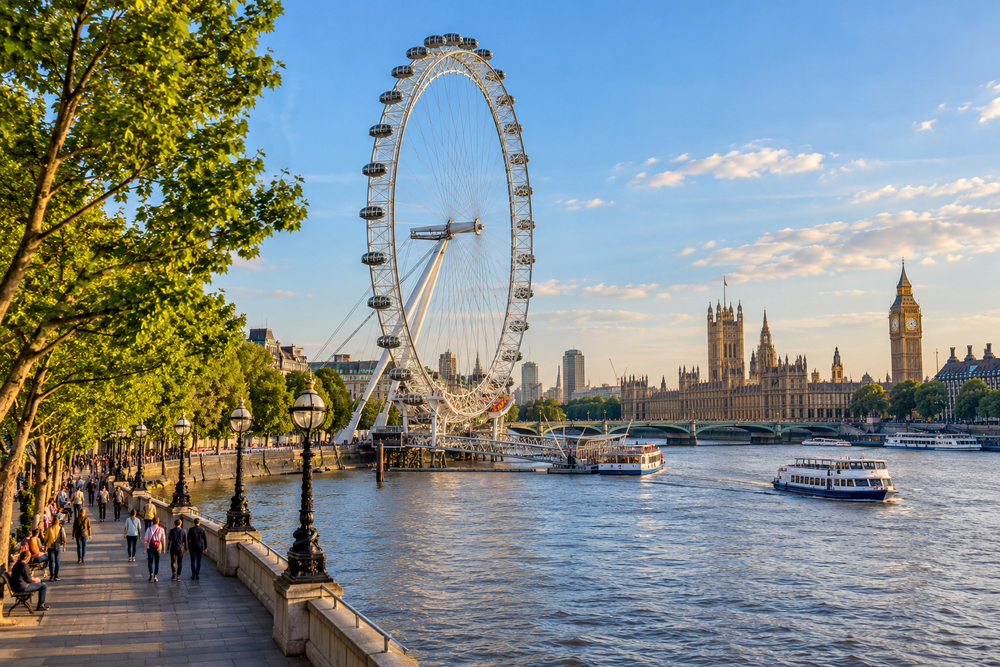
Big Ben, the Houses of Parliament and Westminster Abbey (£32) on one bank; the London Eye and a free riverside walk past Tate Modern on the other. The South Bank walk costs nothing and takes a couple of hours at an easy pace.
Bloomsbury and Covent Garden
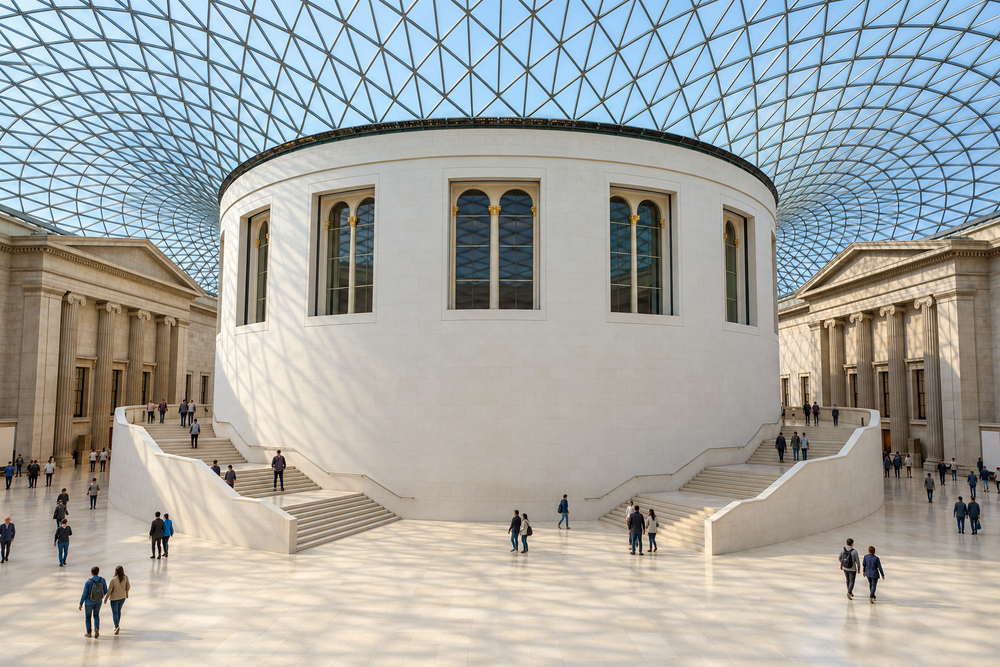
The British Museum is free and worth half a day: book a free timed ticket and leave large bags behind. Its Bayeux Tapestry exhibition, until 11 July 2027, needs its own ticket. Covent Garden's piazza and the West End theatres are a short walk south.
South Kensington
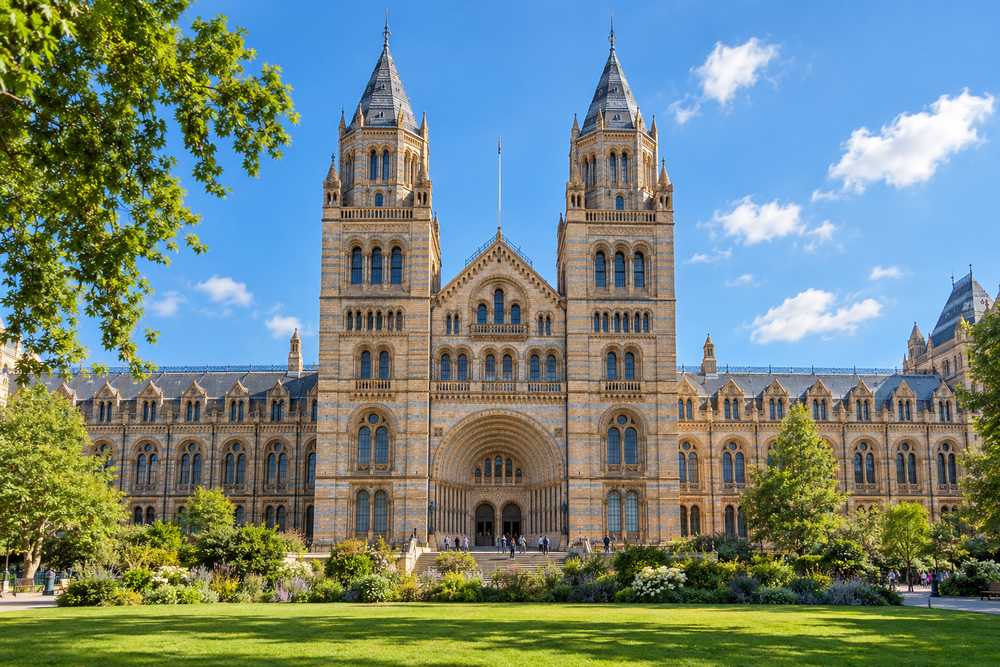
Three free national museums a few minutes apart: the Natural History Museum, the Science Museum, which asks you to book a free ticket in advance, and the V&A. Pick one or two; all three in one day is a rush.
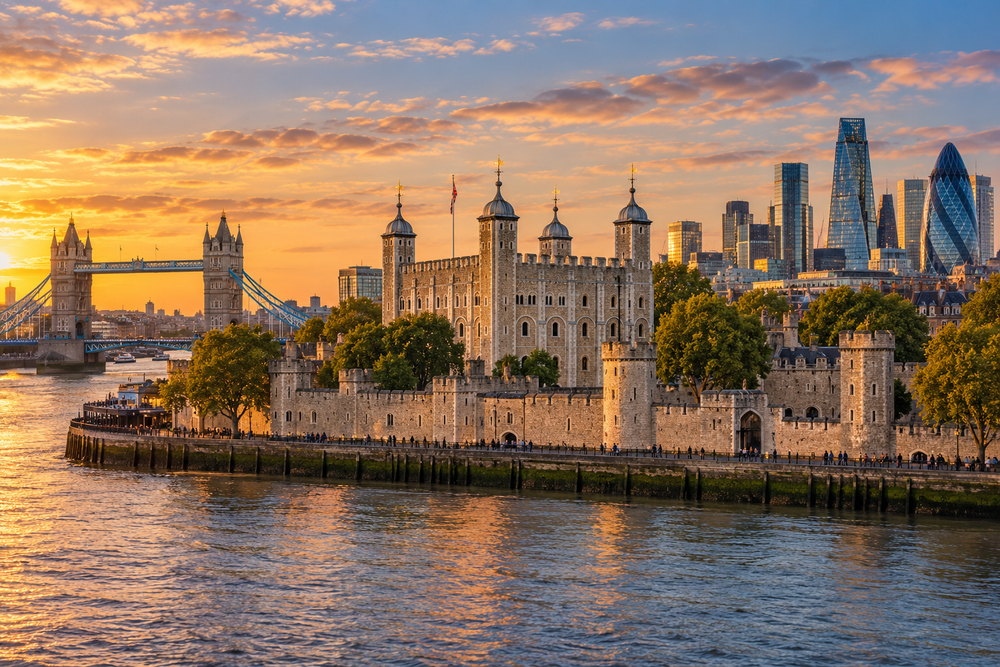
The City and Tower Bridge
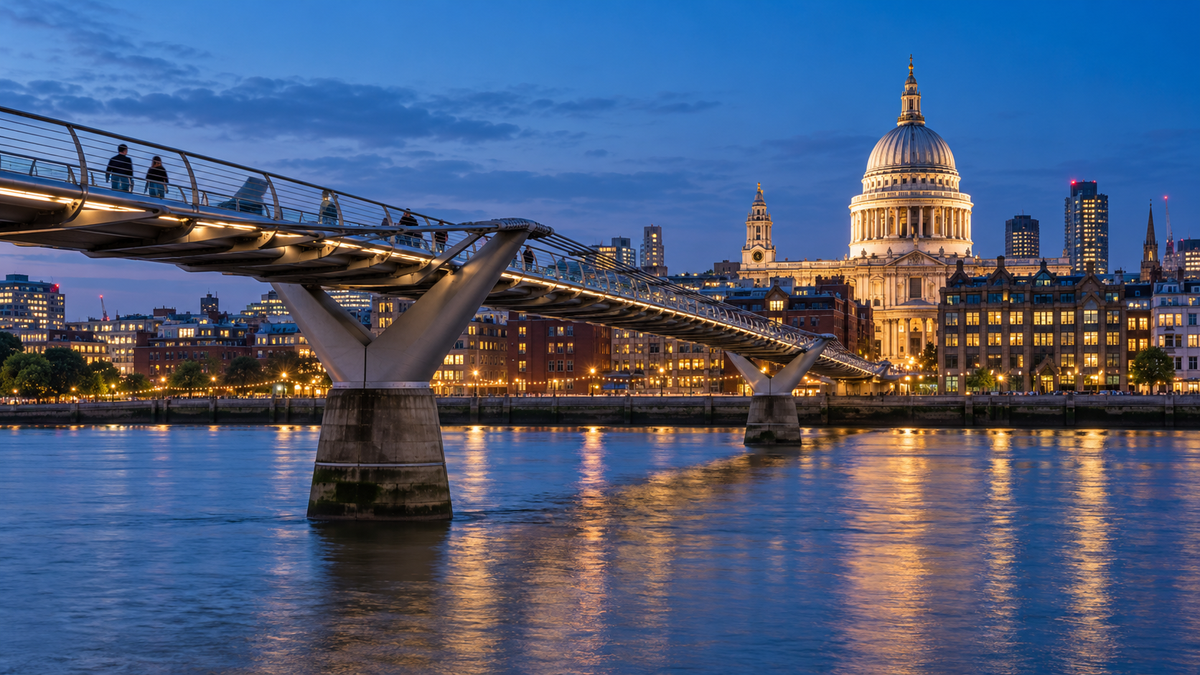
The Tower of London and the Crown Jewels (£38), the Tower Bridge exhibition with its glass-floored walkways (£18), and St Paul's Cathedral (£27), a short walk west through the old financial district.
Paying in London
For the pound itself, the visa, cash limits and the TCS threshold, see the United Kingdom travel guide, and before you fly, our forex guide for UK trips from India.
London is about as cashless as cities get: cards and phones work in shops, pubs, taxis and on every bus, and the buses take no cash at all. Borough Market's traders all take contactless; carry a little cash for Brick Lane and the odd old-fashioned pub, and £30 to £50 lasts most visitors a week. Many restaurants add a discretionary service charge, usually 12.5%, which you can ask them to remove.
On the Tube, TfL says many contactless cards issued outside the UK work for pay as you go, but prepaid cards only may, and phone wallets linked to non-UK cards may not, so try your card on the first journey and carry a backup. Your bank may add an overseas fee on each tap. When a card machine offers to charge you in rupees, choose pounds.
What London actually costs
Set the length and style of your trip to see what to budget, in pounds and Indian rupees.
Indicative, excluding international flights and accommodation, per person per day. Converted at the verified mid-market rate on 7 October 2026, £1 ≈ ₹127.84, not a Matrix board rate.
Budget roughly ₹7,670 to ₹24,290 per person per day on the ground, excluding flights and accommodation.
| Item | Cost |
|---|---|
| Pint of beer, London average | £6.55 |
| Supermarket meal deal | £3.85-4.25 |
| Tube, zone 1 single (peak / off-peak) | £3.10 / £3.00 |
| Daily cap, zones 1 and 2 | £8.90 |
| Elizabeth line, Heathrow to Paddington | £14.60 |
| Tower of London | £38 |
| London Eye, online / on the day | £29 / £39 |
Getting around
Tap the same contactless card or phone on the yellow reader when you enter and leave the Tube, and fares cap themselves: travel in zones 1 and 2 stops costing more after £8.90 a day, or £44.70 for a Monday-to-Sunday week, and a day that includes Heathrow caps at £16.30. A zone 1 ride costs £3.10 at peak times (6:30 to 9:30 am and 4 to 7 pm on weekdays) and £3.00 otherwise. Buses cost £1.75, with unlimited buses within an hour on one fare and a £5.25 daily cap, rising to £1.85 and £5.55 on 1 November 2026.
An Oyster card now costs £10.50 and saves an adult nothing over contactless. It matters for children: under-11s travel free with a paying adult, and 11 to 15-year-olds get half fares for up to 14 days once station staff add the Young Visitor discount to an Oyster.
From Heathrow, the Elizabeth line is the best balance of time and money; the Heathrow Express sits outside the daily cap. From Stansted, the Stansted Express reaches Liverpool Street in about 48 minutes, and from Luton the DART shuttle and a train take 30 to 40 minutes (£17.20 off-peak). In the centre, walk more than you think: the Tube map is a diagram, not a street map, and many hops are quicker on foot.
Common mistakes in London
Buying an Oyster card for an adult
It costs £10.50 and gives the same fares and caps as a contactless card. It only pays off for children aged 11 to 15.
Taking the Heathrow Express by default
It is the fastest, but at £26 it costs nearly twice the Elizabeth line, which takes about 27 minutes and counts towards the daily cap.
Rushing the big museums
The British Museum and the South Kensington museums each deserve half a day. The Science Museum needs a free ticket booked in advance.
Paying in rupees at the card machine
When a terminal or ATM offers to charge you in rupees, choose pounds. The rupee option lets the operator set its own rate.
London FAQs
The pound sterling (GBP), as across the UK. On 7 October 2026 one pound was ₹127.84 at the mid-market rate, so a £3.10 Tube ride is about ₹400 and a £38 Tower of London ticket about ₹4,860. Cards and phones work almost everywhere, including on buses, which take no cash.
Three days covers the core sights; five lets you take the museums slowly and add a day trip to Windsor, Oxford or Cambridge, each under an hour away by fast train.
Yes. Indian passport holders need a UK Standard Visitor visa, £135 for up to six months, applied for online with biometrics at a VFS Global centre; decisions usually take about three weeks. One visa covers England, Scotland, Wales and Northern Ireland. The UK ETA is only for visa-exempt nationalities, not Indians.
Contactless is enough for adults: the same fares and daily caps, without the £10.50 card fee. Oyster matters for children aged 11 to 15, who get half fares once station staff add the Young Visitor discount; under-11s travel free with a paying adult.
The Elizabeth line takes about 27 minutes to Paddington for £14.60; the Piccadilly line about 48 minutes to Piccadilly Circus for £5.90; and the Heathrow Express 15 minutes to Paddington for £26, or from £10 booked at least 30 days ahead.
The permanent collections of the big national museums are: the British Museum, the National Gallery, the Natural History Museum, the Science Museum, the V&A, Tate Modern and Tate Britain. The Science Museum asks you to book a free ticket, and special exhibitions, such as the British Museum's Bayeux Tapestry show, charge.
Most tickets sold in 2025 cost £56 or less, and premium seats for the biggest hits cost far more. The TKTS booth on Leicester Square sells same-day tickets, some at a discount; avoid street sellers.
Yes. Air India, British Airways and Virgin Atlantic fly nonstop to Heathrow from Delhi, Mumbai and Bengaluru, British Airways also from Hyderabad and Chennai, and Air India flies to Gatwick from Ahmedabad. IndiGo's Mumbai and Delhi flights to Heathrow end on 25 October 2026.
More guides in United Kingdom
Buy british pound before you fly
See your Matrix rate and the applicable charges before you confirm. Order online for doorstep delivery or collect from your nearest branch.
RBI Authorised Dealer Category-II, Licence No. NDL-ADII-0023-2023 · Same-day delivery · Serving 3 lakh+ customers