


Japan Travel Guide
A practical guide to planning a trip to Japan, covering the yen, cards, cash, transport, etiquette, and the common mistakes travelers make.
Japan money at a glance
Currency
Japanese Yen (JPY). Carry a moderate cash buffer for small ramen shops, shrines and rural ryokan.
Cards & ATMs
7-Eleven and Japan Post Bank ATMs reliably accept international cards. At checkout, always choose to pay in JPY instead of your home currency.
Visa
Indian passport holders need a Japan tourist visa. Apply through VFS or the embassy 4–6 weeks before travel.
Transport
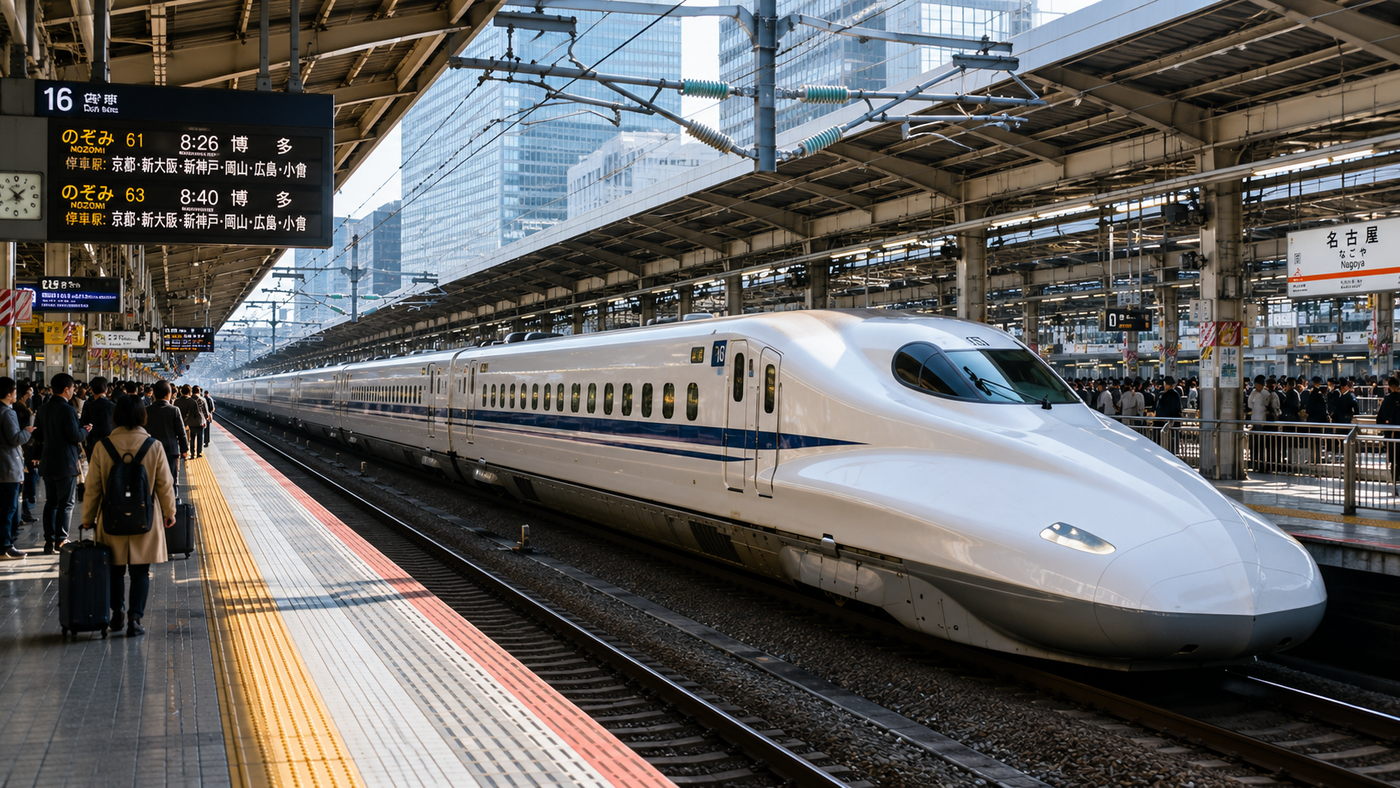
JR Pass for multi-city loops. Suica IC card for urban transit. Bullet trains book ahead during cherry-blossom season.
Etiquette
Cash is handed over a tray, not directly. No tipping. Shoes off in temples and many ryokan. Quiet on trains.
Common mistakes
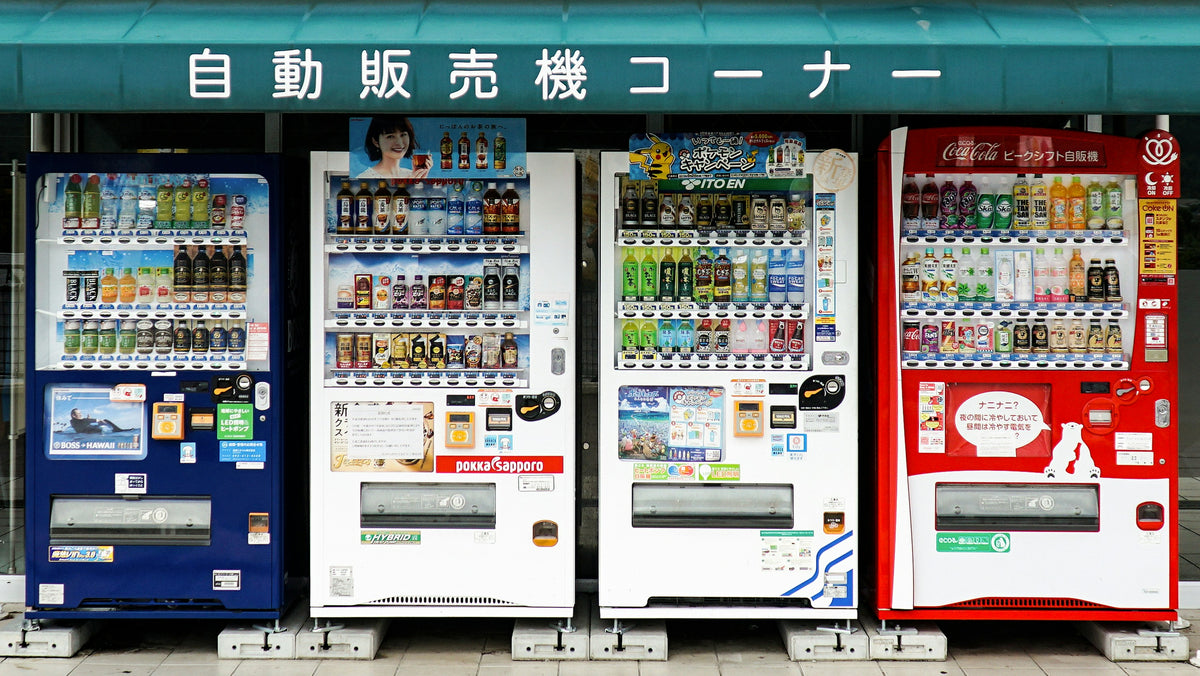
Refuse the rupee option at point-of-sale (DCC). Don't tip. Carry small denominations for vending machines.
Japan is shifting toward cards and IC payments, but cash still matters at small restaurants, temples and rural areas.
Best places to visit in Japan
Most Japan trips are built from three or four cities. Here is what each one costs a day, and whether you will need yen in your pocket once you are there.
 Kanto
KantoTokyo
The most cashless city in Japan
Shibuya and Shinjuku, Senso-ji, the Tsukiji outer market, and day trips to Nikko, Kamakura and Hakone.
Tap-and-go covers almost everything here, including the metro barriers. The one habit worth building is refusing the rupee option at every terminal, it costs 3 to 8 percent each time.
Studying here? Home to several of Japan's leading universities and a common destination for Indian postgraduates. Matrix Forex handles student remittance under the LRS.
Read the Tokyo guide Kansai
Kyoto
Where cash still matters most
Fushimi Inari, Kiyomizu-dera, the Gion streets, and the bamboo groves at Arashiyama.
Temple entries, shrine offerings and small machiya restaurants are cash. Carry a noticeably larger yen float here than you would in Tokyo, and expect a lodging tax on top of the room rate.
Studying here? A long-established university city that takes a steady intake of international research students. Matrix Forex handles student remittance under the LRS.
Read the Kyoto guide Kansai
Osaka
Japan's kitchen, at lower prices
Dotonbori after dark, Osaka Castle, Kuromon market, and easy day trips to Nara and Himeji.
The street food Osaka is famous for leans cash, Dotonbori stalls and Kuromon market especially. Malls, hotels and sit-down restaurants take cards without trouble.
Studying here? One of Japan's largest public universities sits here, with a sizeable international cohort. Matrix Forex handles student remittance under the LRS.
Read the Osaka guide Chugoku
Hiroshima
History, and one of Japan's great views
The Peace Memorial Park and Museum, the floating torii at Miyajima, and Hiroshima-style okonomiyaki.
The city centre is comfortable on cards. Miyajima is where you need yen, the food stalls, and the island visitor tax that a rail pass does not cover.
Read the Hiroshima guide Hokkaido
Sapporo
Snow, seafood and an easy northern base
The February Snow Festival, Odori Park, the Susukino nightlife district, and some of the best ramen and crab in the country.
Sapporo itself handles cards well. It is the day trips that need cash, onsen towns, ski villages and the smaller stations between them.
Read the Sapporo guide Kyushu
Fukuoka
The best-value big city in Japan
Hakata ramen, the yatai street stalls along the river, Ohori Park, and ferries across to Korea.
Yatai stalls are cash-only by tradition and they are the reason to come. Everything else, hotels, department stores, the subway, takes cards.
Read the Fukuoka guide| City | Region | Daily budget | Paying | In short |
|---|---|---|---|---|
| Tokyo | Kanto | ¥16,000 | Cards everywhere | The most cashless city in Japan |
| Kyoto | Kansai | ¥15,000 | Mixed | Where cash still matters most |
| Osaka | Kansai | ¥13,000 | Mixed | Japan's kitchen, at lower prices |
| Hiroshima | Chugoku | ¥12,000 | Mixed | History, and one of Japan's great views |
| Sapporo | Hokkaido | ¥13,000 | Cards everywhere | Snow, seafood and an easy northern base |
| Fukuoka | Kyushu | ¥11,000 | Mixed | The best-value big city in Japan |
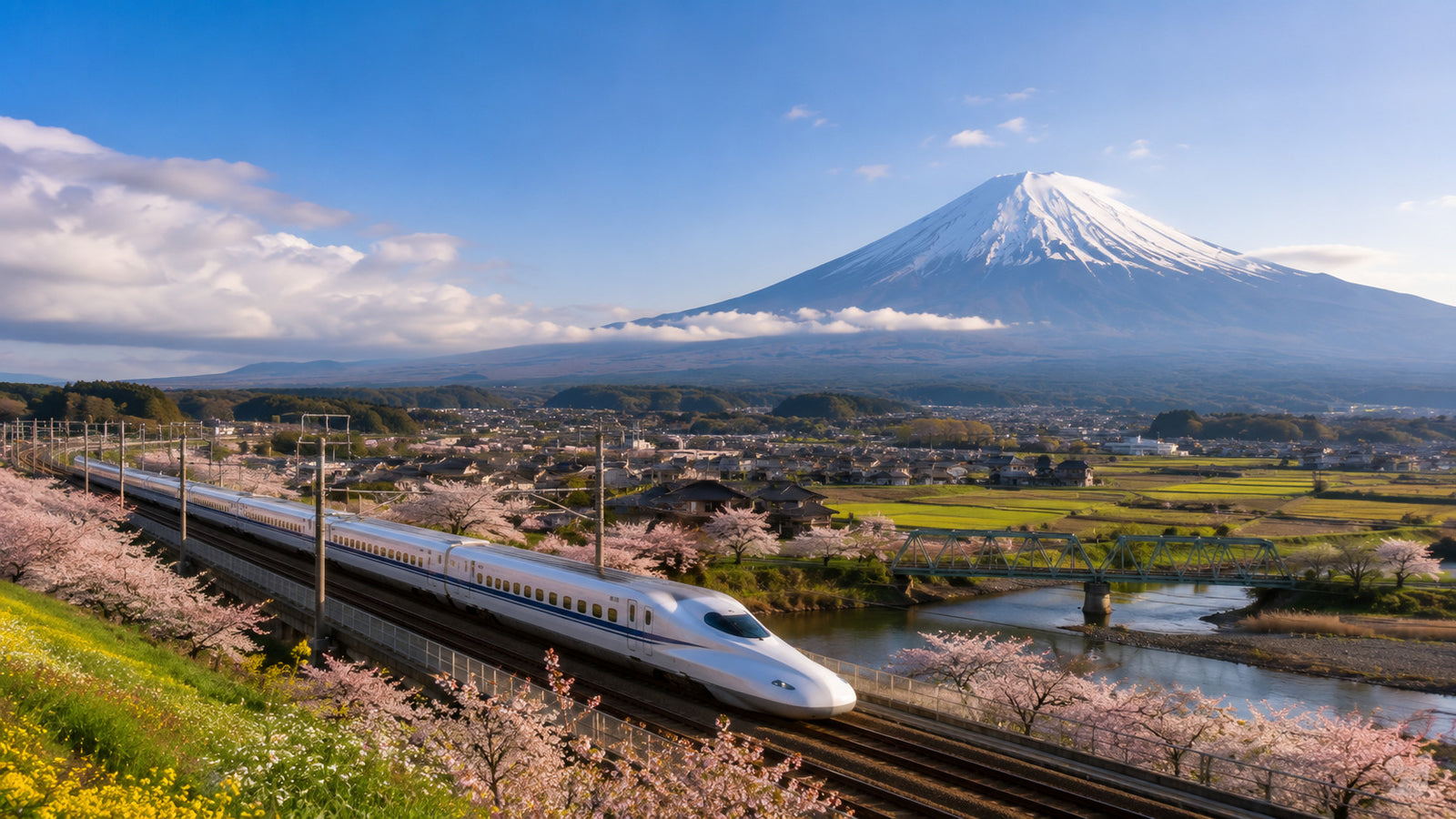
A Shinkansen passing Mount Fuji, the fastest way between regions
Japan is not one trip
What you spend, and whether you can pay by card at all, changes sharply between Tokyo and the mountains of Shikoku. Hover a region, or pick one below.
北海道
Hokkaido
Powder snow, seafood and the wide open north
PrefecturesHokkaido
Sapporo takes cards everywhere. Rural onsen towns, farm stays and small ski lodges still want yen.
東北
Tohoku
Snowy winters, fierce festivals, deep tradition
PrefecturesAomori · Iwate · Miyagi · Akita · Yamagata · Fukushima
Cash-leaning outside Sendai. Carry more yen here than you would for Tokyo or Osaka.
Read the Tohoku guide関東
Kanto
Tokyo, and everything within easy reach of it
PrefecturesTokyo · Kanagawa · Chiba · Saitama · Ibaraki · Tochigi · Gunma
The most cashless part of Japan. An IC card plus a contactless card covers almost everything you will do.
中部
Chubu
The Alps, thatched villages and the road to Fuji
PrefecturesAichi · Shizuoka · Gifu · Nagano · Yamanashi · Niigata · Toyama · Ishikawa · Fukui
Cities are fine on cards. Traditional ryokan in Takayama and Shirakawa-go often settle in cash only.
関西
Kansai
Kyoto, Osaka and the old capitals
PrefecturesOsaka · Kyoto · Hyogo · Nara · Shiga · Mie · Wakayama
Central Osaka and Kyoto are card-friendly. Temple entries, shrine offerings and market stalls stay cash.
中国
Chugoku
Island shrines and the quiet Inland Sea
PrefecturesHiroshima · Okayama · Yamaguchi · Shimane · Tottori
Hiroshima city is comfortable on cards. Miyajima's food stalls and the smaller coastal towns are cash.
四国
Shikoku
Pilgrim trails, art islands and the oldest onsen
PrefecturesEhime · Kagawa · Tokushima · Kochi
One of the most cash-dependent regions in the country. Plan a larger yen float here than you would for Tokyo or Osaka.
九州
Kyushu
Volcanoes, hot springs and Japan's best-value cities
PrefecturesFukuoka · Kumamoto · Nagasaki · Kagoshima · Oita · Saga · Miyazaki
Fukuoka handles cards well. Onsen towns, ferry ports and the smaller islands lean cash.
沖縄
Okinawa
Coral islands with a culture of their own
PrefecturesOkinawa
Resorts and central Naha take cards. Island cafes, dive shops and small guesthouses often do not.
| Region | Prefectures | Cost | Paying | Best months |
|---|---|---|---|---|
| Hokkaido | Hokkaido | Mid to high | Mixed | Dec–Mar, Jul |
| Tohoku guide live | Aomori · Iwate · Miyagi · Akita · Yamagata · Fukushima | Low | Cash-heavy | Apr–May, Aug, Oct |
| Kanto | Tokyo · Kanagawa · Chiba · Saitama · Ibaraki · Tochigi · Gunma | Highest | Card-friendly | Mar–May, Oct–Nov |
| Chubu | Aichi · Shizuoka · Gifu · Nagano · Yamanashi · Niigata · Toyama · Ishikawa · Fukui | Mid | Mixed | Apr–May, Oct–Nov |
| Kansai | Osaka · Kyoto · Hyogo · Nara · Shiga · Mie · Wakayama | High | Mixed | Mar–May, Oct–Nov |
| Chugoku | Hiroshima · Okayama · Yamaguchi · Shimane · Tottori | Low to mid | Mixed | Mar–May, Oct–Nov |
| Shikoku | Ehime · Kagawa · Tokushima · Kochi | Low | Cash-heavy | Mar–May, Sep–Nov |
| Kyushu | Fukuoka · Kumamoto · Nagasaki · Kagoshima · Oita · Saga · Miyazaki | Low to mid | Mixed | Mar–May, Oct–Nov |
| Okinawa | Okinawa | Mid | Mixed | Apr–Jun, Oct–Nov |
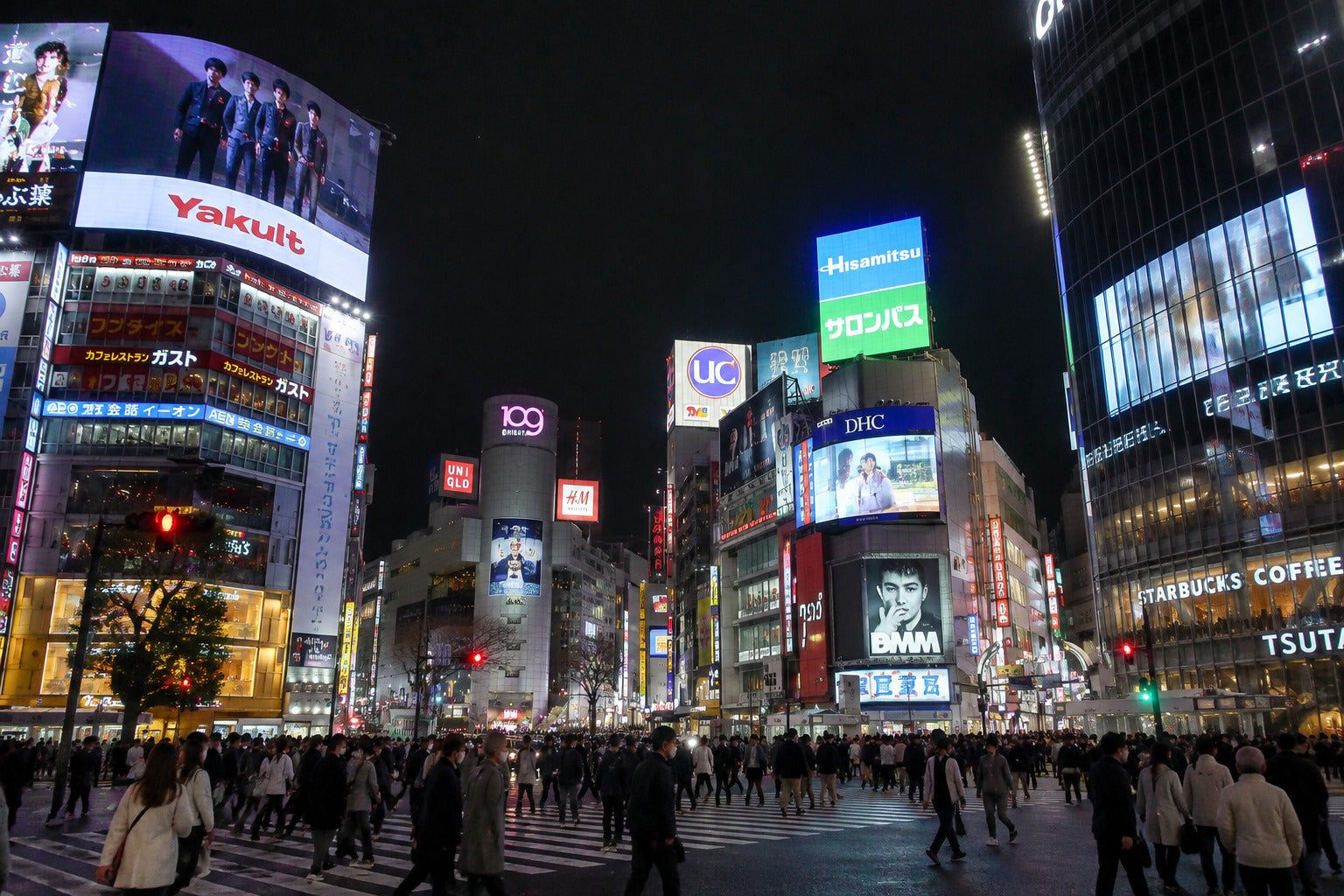
Shibuya at night, Tokyo is the most cashless part of the country
What things cost in Japan
| Coffee | ¥350 |
|---|---|
| Convenience-store lunch | ¥600 |
| Ramen meal | ¥1,000 |
| Subway day pass | ¥800 |
| Mid-range hotel, double | ¥12,000–18,000 |
| Shinkansen, Tokyo to Kyoto | ¥13,850 |
Budget roughly ₹7,100 to ₹13,700 per person per day on the ground, two sharing a room and excluding flights.
Money in Japan, in detail
Japan rewards the traveller who reads up before flying. Most things you need to know are small, which train pass is worth it, which ATM works with an Indian card, when to bow. None of it is hard to learn, but learning it on the plane back is too late.
The yen has been weak for most of the last year, including against the rupee. For travellers, Japan in 2026 is meaningfully cheaper than five years ago, hotels, dining and shopping all feel lighter on the wallet.
The Yen and the Rupee
The yen has been weak for most of the last year. That includes against the rupee. For travellers, Japan in 2026 is meaningfully cheaper than it was five years ago, hotels, dining, and shopping all feel lighter on the wallet than the Instagram reels suggest.
Rates move every day. The number on Google is the live rate, what authorised dealers use to trade with each other. It is not the rate most banks and forex providers actually sell at. They build a markup into their selling price, usually 2 to 4 percent, and it never appears as a separate line item on the bill.
On a forex order of a few lakh rupees, that markup quietly adds up to thousands. It is the biggest avoidable cost on a Japan trip, and it gets paid before you have even left India.
How Much Yen to Carry
Japan was a cash-only country for decades. It is not anymore. Contactless cards, Suica, and QR wallets work at most chains, train stations, convenience stores, hotels, and a growing share of small restaurants in Tokyo, Osaka, Kyoto, and Fukuoka.
Cash still matters at small ramen shops, traditional sento, some shrines and temples, rural ryokan, and older vending machines. None of those need much. A moderate stock of yen handles them all.
A Sensible Cash Plan
For a 7-to-10-day trip, carry enough yen for two days of incidentals in your wallet. Keep the rest in the hotel safe. Cards and Suica handle everything else.
Indian residents can carry up to USD 3,000 equivalent in foreign currency notes per trip to Japan. Anything beyond that goes on a forex card or as a wire transfer. Most leisure trips will not approach the ₹10 lakh per person per financial year TCS threshold, so no tax collection at source applies.
Where to Buy Yen Before You Fly
The cheapest yen are the ones bought in India before departure. Indian airport counters and tourist-area money changers run a noticeable markup over the interbank rate. Hotel front desks run worse. Online forex providers are typically a few percent better than both, and show you the rate and the applicable charges before you confirm the order.
On a few lakh rupees of forex, the gap between a marked-up rate and the interbank rate is larger than any discount or coupon a forex provider would realistically offer. The saving lives in the rate itself, not in promotions.
The cleanest approach is to order yen for door delivery before flying, and load the balance on a forex card. The card sits in your wallet as backup currency if cash runs short.
Cards in Japan
Visa and Mastercard are accepted almost universally in Tokyo, Osaka, Kyoto, and Fukuoka. American Express works at most hotels and large stores. JCB, the Japanese network, works everywhere. RuPay has effectively no acceptance, so do not rely on it as your main card.
Apple Pay and Google Pay work widely, especially when paired with a Suica layer. A standard Visa-based forex card works wherever Visa is accepted.
Two Things Indian Cardholders Should Know
Online payments in Japan trigger 3D Secure verification, which means an OTP to your registered Indian mobile number. Keep your Indian SIM active on roaming, or use an eSIM that keeps the number reachable. Otherwise online bookings fail at the OTP step.
At hotels, electronics stores like BicCamera and Yodobashi, and duty-free counters, the card machine asks whether to charge in yen or in rupees. Always pick yen. The rupee option is dynamic currency conversion and adds a markup of several percent on top of whatever your card already takes. From 1 November 2026, those same tax-free counters also charge the 10% consumption tax at the till, and you claim it back at the airport before check-in, so read how Japan's new tax-free refund works before you shop.
The Best ATMs in Japan
Japan has one of the cleanest ATM situations in the world for foreign cards, but the big Japanese bank branch machines are not part of it. The networks that reliably take Indian cards are Seven Bank, in every 7-Eleven, plus Japan Post Bank, Lawson and E-net. All four run 24 hours with a full English interface.
The fee is not the same at each. Seven Bank charges Mastercard, Maestro and Cirrus cards nothing at all, and charges Visa ¥110 on withdrawals under ¥10,000 and ¥220 above that. Japan Post Bank charges nothing during business hours and ¥110 outside them. Which card you carry therefore changes what a withdrawal costs, and our guide to using ATMs in Japan with an Indian card works through the full cost of one, including your Indian bank's own markup, flat fee and GST.
Skip the currency exchange kiosks in Shibuya, Shinjuku and Dotonbori. They run several percentage points off the mid-market rate. Hotel front desks run worse.
What You Will Spend Each Day
On the ground, daily spending splits into three rough tiers.
Backpacker: hostel dorm bed, two conbini meals, one cheap restaurant meal, local trains, free temples. The cheapest sensible way to do Japan.
Mid-range, where most travellers land: a three-star business hotel like APA, Toyoko Inn, or Sotetsu Fresa, set-meal restaurants, occasional shinkansen, paid temple entries, one or two attractions a day.
Premium: four-or-five-star hotel, kaiseki dinners, taxis, JR Pass, the curated experiences. Comfortable rather than extravagant.
A 7-day mid-range trip for two lands in the lower-middle of this range on the ground. Flights and hotels are usually paid in India before departure and sit on top.
Getting Around
Trains run Japan. The system is fast, on time, and confusing on day one. Two things make it manageable.
The Suica or Pasmo IC card is the first. Tap in, tap out, fare deducts automatically. It works on almost every train, subway, bus, and convenience store across the country. The Welcome Suica Mobile app, which JR East launched in late 2024, lets you provision a virtual Suica on Apple Wallet or Google Pay before you fly. Top up with an Indian Visa or Mastercard. The airport ticket-machine queue disappears.
The JR Pass is the second, and it is no longer the obvious choice it used to be. After the October 2023 price hike, the 7-day pass is only worth it if your itinerary covers Tokyo to Kyoto plus Kyoto to Hiroshima return, or comparable long-distance shinkansen travel. For a Tokyo-Kyoto-Osaka loop, individual shinkansen tickets work out cheaper. Run the numbers on Japan Guide's calculator before you buy.
PayPay, the biggest Japanese QR wallet, does not accept foreign cards for top-up. Travellers cannot use it even though the signs are everywhere. Stick to Suica, contactless, and cash.
Japan money FAQs
For a 7 to 10 day trip, carry enough yen to cover about two days of incidentals in your wallet and keep the rest in the hotel safe. Cards and an IC transit card handle the majority of spending in the big cities. Indian residents may carry up to the equivalent of USD 3,000 in foreign currency notes per trip, with anything beyond that going on a forex card, and may retain up to USD 2,000 in notes on return.
Yes. Visa and Mastercard issued in India are accepted at hotels, department stores, chain restaurants, convenience stores and train stations. Acceptance thins out at small family-run restaurants, older vending machines, shrines and rural guesthouses, which is where your cash float matters. Always ask to be charged in Japanese yen, never in rupees.
7-Eleven and Japan Post Bank are the two most reliable networks for foreign-issued cards, and Lawson Bank and Aeon Bank ATMs also accept them. 7-Eleven machines sit inside the stores and run around the clock, while Japan Post ATMs mostly follow post-office hours. Many Japanese bank ATMs will not accept an Indian card at all, so do not assume any machine will work.
Compare before you commit, and decide before you reach an airport. Indian airport counters and tourist-area money changers add a visible markup, and Japanese airport counters are no better. Online forex dealers in India usually quote better than either, but yen is a thinner retail currency in India than dollars or euros and spreads vary, so it is worth checking an online quote against what a withdrawal from a Japanese ATM would actually cost you.
Dynamic Currency Conversion is when a card terminal offers to bill you in rupees instead of yen. It looks helpful because you see a familiar number, but the exchange rate is set by the merchant's payment processor. It typically costs 3 to 8 percent more than paying in the local currency, and studies of real transactions have found averages above 7 percent with outliers past 12. Always choose to be charged in Japanese yen.
Only if you are covering serious distance. The 7-day national pass costs ¥50,000 and rises to ¥53,000 from 1 October 2026. A Tokyo–Kyoto–Hiroshima–Tokyo loop comes to roughly ¥44,000 in individual tickets, so on that itinerary alone the pass actually loses you money, you need that route plus meaningful extra travel before it pays for itself. Regional passes for Kyushu, Kansai or Tohoku are usually better value than the national one.
Barely, and not reliably. NPCI International and NTT DATA Japan signed an agreement in October 2025 and a trial is planned for the 2026 financial year, letting travellers pay by QR at selected participating merchants directly from an Indian bank account. It is a pilot running to March 2027, not general acceptance, so do not plan your trip around it. Carry a forex card, a Visa or Mastercard, an IC transit card and a yen cash float.
Yes. Indian passport holders need a tourist visa, there is no visa-on-arrival and no waiver. Japan also operates an eVisa available to residents of India for single-entry tourism, applied for online through an accredited agency, which avoids a VFS visit and a passport sticker. Apply four to six weeks ahead, particularly around the cherry blossom and autumn colour seasons when volumes rise sharply. Confirm current procedure with the Embassy of Japan in India before applying.
Excluding flights, budget roughly ¥115,000 to ¥175,000 per person for a week with two people sharing a room: about ¥12,000 to ¥18,000 a night for a mid-range double, ¥4,000 to ¥6,000 a day on food, ¥1,000 to ¥1,500 a day on local transport, plus intercity rail. Tokyo and Kyoto sit at the top of that range and Tohoku, Shikoku and Kyushu well below it. Kyoto also charges a lodging tax, raised in March 2026 to the highest in Japan, of ¥400 per person per night on mid-range rooms.
Sort your Japanese Yen before you fly
Lock the rate, carry the right mix of cash and card, and know today’s JPY rate before you book.
Buy japanese yen before you fly
See your Matrix rate and the applicable charges before you confirm. Order online for doorstep delivery or collect from your nearest branch.
RBI Authorised Dealer Category-II, Licence No. NDL-ADII-0023-2023 · Same-day delivery · Serving 3 lakh+ customers