


Prague Travel Guide
Buy Czech KorunaPrague at a glance
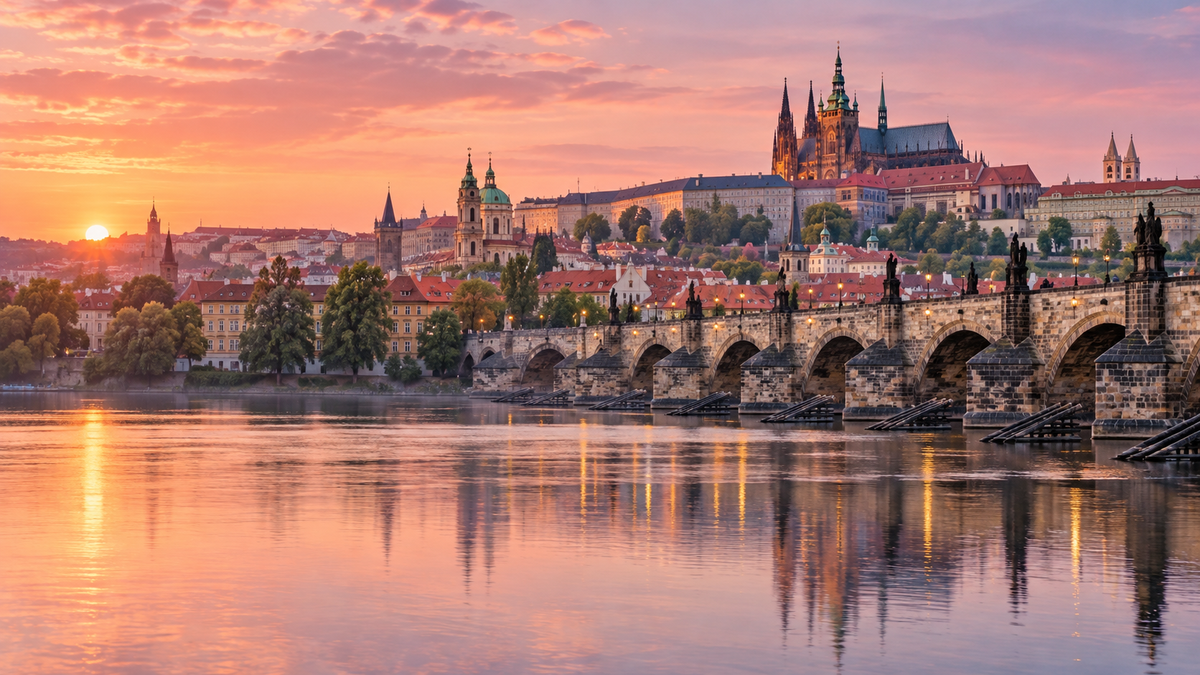
Prague, the Czech capital, is one of the better-value capitals in Europe: beer, food and hotels cost noticeably less than in Vienna or Barcelona, and its historic centre, a UNESCO World Heritage Site since 1992, is compact enough to walk. Three to four days covers the Old Town, the castle district and the river, and Kutná Hora is about 50 minutes away by direct train.
The Czech Republic uses the koruna (CZK), not the euro. Many shops and restaurants in the centre will take euros, but at a rate they set themselves and with change in koruna, so pay in CZK. The exchange offices around the Old Town Square and Wenceslas Square are the classic trap. By law you can cancel an exchange of up to €1,000 within three hours, counted while the office is open, in person at the same branch with your receipt, but the simpler answer is a card, or a bank ATM where you refuse the conversion.
Prague Castle's courtyards are free from 6 am to 10 pm, but since 2023 even a step inside St Vitus Cathedral needs the main circuit ticket: CZK 450, valid for two days, also covering the Old Royal Palace, St George's Basilica and the Golden Lane. The Charles Bridge is free and quietest before 8 am. The Old Town Hall tower, beside the Astronomical Clock, costs CZK 350 (half price in the first hour after opening), and the Jewish Museum's single ticket, which now includes the Old-New Synagogue, CZK 600; the museum closes on Saturdays.
There is no direct flight from India to the Czech Republic, so most Indian visitors fly into Prague or Vienna through a Gulf or European hub. Indian passport holders need a Schengen visa, applied for through VFS Global, and hotels add Prague's local fee of CZK 50 per adult a night; under-18s are exempt.
What to see and do
The Old Town, the Lesser Town and the castle are linked on foot; the climb up to the castle is the only steep part.
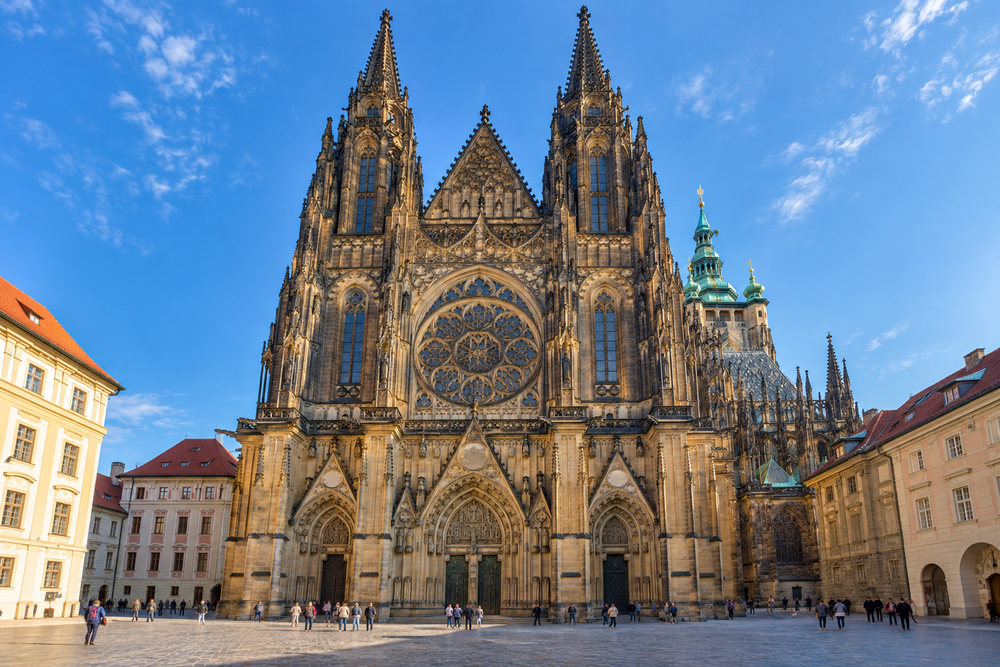
Prague Castle and Hradčany
The castle district on the hill above the Lesser Town: St Vitus Cathedral, the Old Royal Palace, St George's Basilica and the Golden Lane on one CZK 450 ticket, valid for two days. The courtyards are free; the cathedral's south tower costs CZK 200 more.
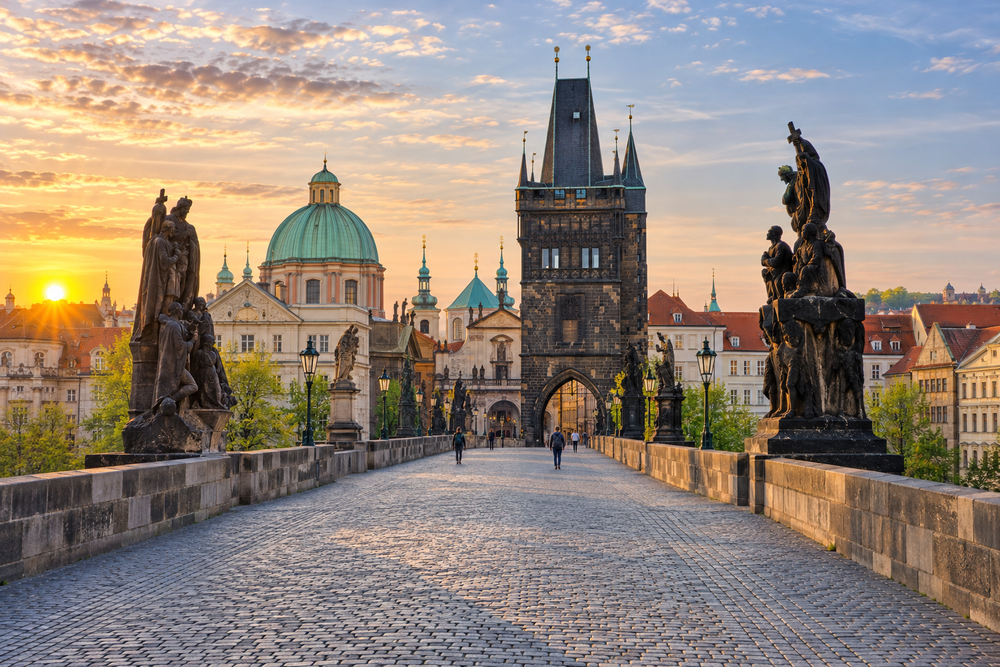
The Charles Bridge and the Lesser Town
The 14th-century stone bridge, lined with baroque statues, is free and at its best before 8 am. Across it, the Lesser Town's lanes climb to the castle and to Petřín hill, whose funicular reopened in September 2026: CZK 100 a ride, or included with a 24-hour ticket.
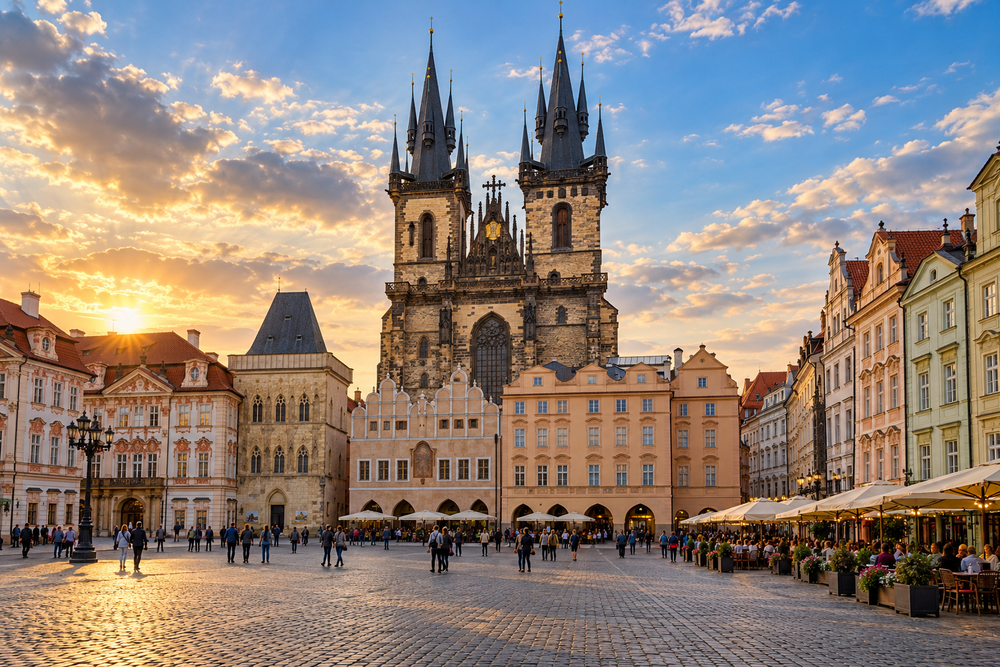
The Old Town Square
The heart of the Old Town, with the twin Gothic spires of the Týn church and the Astronomical Clock on the Old Town Hall, whose tower (CZK 350) has the best view of the square. The Christmas market runs here and on Wenceslas Square from 28 November 2026 to 6 January 2027.
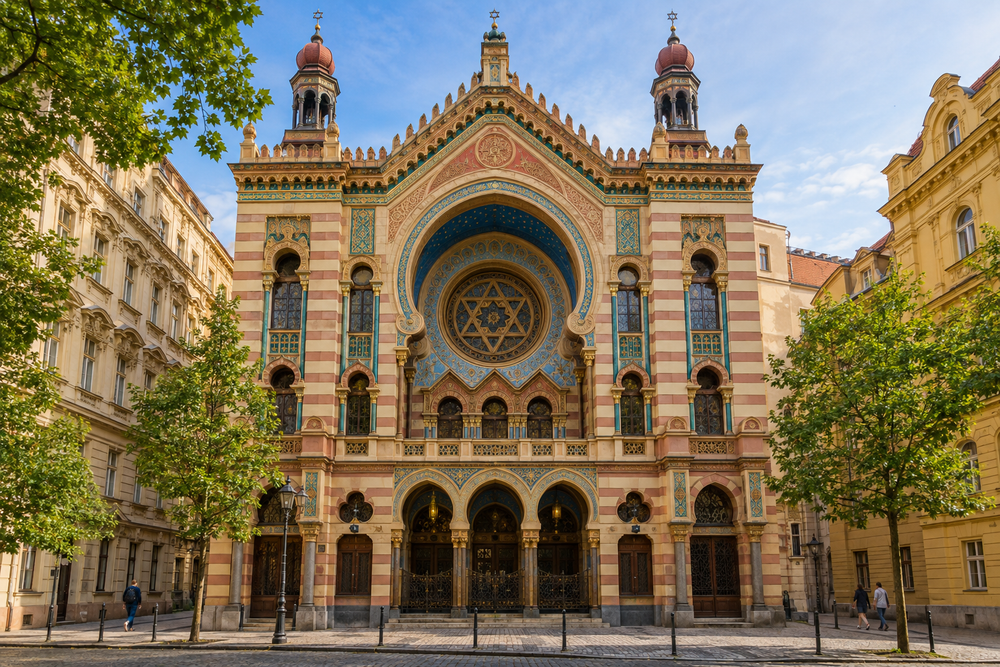
Josefov, the Jewish Quarter
Six historic synagogues and the Old Jewish Cemetery, a few streets north of the square. The Jewish Museum's single CZK 600 ticket now covers the Old-New Synagogue too; the museum closes on Saturdays and Jewish holidays.
Paying in Prague
For the koruna itself, entry rules for Indians, the VAT refund and how much cash to carry, see the Czech Republic travel guide, and before you fly, read why one kind of ATM in Prague costs about 6% more.
Cards work at hotels, restaurants, shops and the sights, contactless is everywhere, and every city tram and bus has an orange machine that sells tickets by contactless card. Keep CZK 1,000 to 2,000 in cash for small pubs, market stalls and tips; rounding up, or about 10% in restaurants, is usual.
For cash, use a bank ATM rather than the standalone Euronet machines in the tourist streets, which add their own fee and push the conversion. Some bank ATMs offer to convert into rupees too, so always choose koruna, or "without conversion". If you do change money at a counter, check what you will actually receive before you hand over your notes.
What Prague actually costs
Set the length and style of your trip to see what to budget, in Czech koruna and Indian rupees.
Indicative, excluding international flights and accommodation, per person per day. Converted at the verified mid-market rate on 7 October 2026, CZK 1 ≈ ₹4.43, not a Matrix board rate.
Budget roughly ₹4,430 to ₹16,840 per person per day on the ground, excluding flights and accommodation.
| Item | Cost |
|---|---|
| Coffee (cappuccino) | about CZK 80 |
| Beer, 0.5 litre, in a pub | about CZK 50-75 |
| Public transport, 30 minutes / 24 hours (app) | CZK 36 / 140 |
| Prague Castle, main circuit | CZK 450 |
| Old Town Hall tower | CZK 350 |
| Jewish Museum, single ticket | CZK 600 |
| Uber from the airport to the centre | about CZK 800 |
Getting around
Trams, buses and three metro lines share one ticket, and since January 2026 the PID Lítačka app is cheaper than paper: CZK 36 for 30 minutes, CZK 46 for 90 minutes, CZK 140 for 24 hours and CZK 340 for 72 hours (CZK 39, 50, 150 and 350 on paper). Stamp a paper ticket when you first board or enter the metro; tickets bought on board are printed with the time. Inspectors fine CZK 1,200 on the spot.
From the airport, trolleybus 59 reaches Nádraží Veleslavín on metro line A in about 15 minutes, and bus 100 reaches Zličín on line B in about 18; a 90-minute ticket covers the whole trip into the centre, 35 to 45 minutes in all. The AE bus runs to the main station in about 40 minutes but costs CZK 200, and ordinary tickets are not valid on it. The only official airport taxi is Uber, with the fare fixed upfront, about CZK 800 to the centre; Bolt and other apps pick up at the express car parks. Ignore drivers touting in the arrivals hall.
The Old Town and the Lesser Town are best on foot, and trams are useful for longer hops. For day trips, direct trains reach Kutná Hora in about 50 minutes and Karlštejn Castle in about 40 (check for engineering works in October 2026), and buses reach Karlovy Vary in about 2 hours 15 minutes and Český Krumlov in about 2 hours 40.
Common mistakes in Prague
Assuming euros are accepted
The Czech Republic uses the koruna, not the euro. Places that take euros usually give a poor rate, so pay in CZK.
Changing money near the Old Town Square
The boards there can promise far more than you get. If you do exchange, you have three hours to cancel at the same branch with your receipt, for up to €1,000.
Riding with an unstamped ticket
Paper tickets must be stamped when you first board or enter the metro. Inspectors fine CZK 1,200 on the spot.
Paying in rupees at the card machine
When a terminal or ATM offers to charge you in rupees, choose koruna. The rupee option lets the operator set its own rate, and tourist areas push it hard.
Prague FAQs
The Czech koruna (CZK), also called the crown, not the euro. On 7 October 2026 one koruna was ₹4.43 at the mid-market rate, so CZK 100 is about ₹440 and a CZK 450 castle ticket about ₹1,990.
Often, in tourist areas, but at a rate the shop or restaurant sets, with change in koruna, so it usually costs more. Pay in koruna, by card or cash, and choose CZK when a card machine offers a currency.
Prague is the capital of the Czech Republic, or Czechia, which is in the EU and the Schengen area but has kept its own currency, the koruna. The euro is not legal tender there.
Not all, but those around the Old Town Square and Wenceslas Square are known for poor rates. Czech law lets you cancel an exchange of up to €1,000 within three hours, in person at the same branch with your receipt, and offices may not add fees on top of the rate. A card or a bank ATM is simpler.
By trolleybus 59 to Nádraží Veleslavín (metro A) or bus 100 to Zličín (metro B), on a CZK 46 90-minute ticket bought in the app, 35 to 45 minutes in all; by the AE bus to the main station (CZK 200, about 40 minutes); or by Uber, the official airport taxi, for about CZK 800.
CZK 140 for 24 hours in the PID Lítačka app, or CZK 150 on paper; 72 hours costs CZK 340 in the app. A 30-minute ticket is CZK 36 and a 90-minute ticket CZK 46 in the app.
Yes. Indian passport holders need a Schengen visa, applied for through VFS Global for the Czech embassy in New Delhi, with centres in most large Indian cities. The fee is €90 for adults, decisions normally take up to 15 days, and the embassy suggests booking your appointment at least 45 days ahead. ETIAS, the EU's planned travel authorisation, is only for visa-exempt travellers and does not replace the visa.
The main circuit costs CZK 450 for adults, valid for two days, and covers St Vitus Cathedral, the Old Royal Palace, St George's Basilica and the Golden Lane. The courtyards are free, but since 2023 there has been no free section inside the cathedral.
More guides in Czech Republic
Buy czech koruna before you fly
See your Matrix rate and the applicable charges before you confirm. Order online for doorstep delivery or collect from your nearest branch.
RBI Authorised Dealer Category-II, Licence No. NDL-ADII-0023-2023 · Same-day delivery · Serving 3 lakh+ customers