US Dollar
 Euro
Euro British Pound
 UAE Dirham
 Australian Dollar
 Singapore Dollar
How to Use ATMs in New Zealand Without Paying Extra Fees (2026 Guide for Indian Travellers)

New Zealand has a way of quietly emptying your wallet. Not through anything dramatic, just a small charge here, a slightly worse exchange rate there, and by the end of a two-week trip you've paid a few thousand rupees more than you needed to. Most of it comes down to one habit: pulling out your Indian debit card at the nearest ATM without checking what it actually costs.
The good news is that New Zealand's banks are unusually foreign-card-friendly compared to most of Asia. The bad news is that your Indian bank isn't, and that's where most of the real cost sits. This guide covers what New Zealand ATMs charge, what your bank back home adds on top, and how to plan your cash and cards so a growing-fast New Zealand trip doesn't quietly become 15% more expensive than it needed to be.
Whether you're backpacking the South Island, sending a child off to Otago or Victoria University of Wellington for the first time, or on a short business trip to Auckland, the same fee stack applies. We'll get into the details below.

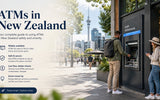
Choose the right ATM and avoid unnecessary withdrawal fees in New Zealand.
Can I Use My Indian Debit Card at ATMs in New Zealand?
Yes. If your card runs on Visa or Mastercard, which almost every Indian debit and credit card does, it'll work at ATMs across New Zealand. Cards from HDFC, SBI, ICICI, Axis, Kotak, and most other Indian banks are accepted without issue.
One thing that trips people up: New Zealand's own domestic debit network is called EFTPOS, and it's everywhere, on tills at cafes, dairies (small convenience stores), even farmers' market stalls. But EFTPOS is a local scheme for NZ-issued cards. Your Indian card doesn't ride on EFTPOS. It works through the Visa or Mastercard logo on the machine instead, which is why almost every EFTPOS terminal and ATM in the country also displays a Visa or Mastercard symbol. As long as you see that logo, your card will work.
New Zealand's ATM network is dominated by five banks: ANZ, ASB, BNZ, Westpac, and Kiwibank, plus TSB with a smaller footprint. You'll find machines at every bank branch, most malls, supermarkets, and every airport. The real question isn't whether you can find one. It's what it costs you to use it.
ATM Fees in New Zealand: What You'll Actually Pay
Two separate charges can hit your account every time you use an Indian card at a New Zealand ATM.
The New Zealand ATM fee (charged by the local bank)
This is the good part. Four of the five major banks, BNZ, Westpac, ASB, and Kiwibank, don't add their own machine fee for foreign cardholders. New Zealand followed Australia's lead on this back in 2018, when local banks largely dropped operator surcharges on ATM withdrawals.
ANZ is the one to watch. Some recent reports suggest ANZ charges non-ANZ cardholders a small fee, around NZD 3, while others say it doesn't. ANZ's own fee schedule confirms the fee only for its own customers withdrawing overseas, not what it charges foreign cardholders at its NZ machines, which is exactly why the on-screen confirmation matters. The fee, if there is one, always shows before you confirm the transaction, so you can simply cancel and walk to a different bank's machine if you see a charge you don't want to pay.
Standalone ATMs away from bank branches, particularly in dairies, petrol stations, and tourist-heavy strips, are the ones more likely to charge something, typically NZD 3 to 7. Stick to machines inside a BNZ, Westpac, ASB, or Kiwibank branch, or one attached to a supermarket or mall, and you'll rarely pay a local fee at all.
The Indian bank fee (charged by your bank back home)
This is where the real cost sits, and it applies no matter which New Zealand ATM you use.
• HDFC Bank: ₹125 flat fee + 3.5% currency conversion markup + GST
• SBI: ₹100 minimum + GST + 3.5% cross-currency markup
• ICICI Bank: ₹125 flat fee + 3.5% markup + GST
• Most other Indian banks: ₹100–₹150 flat + 3.5–4% conversion fee
Here's what a real withdrawal looks like. At recent rates, 1 NZD is worth roughly ₹56. You withdraw NZD 500 (≈ ₹28,000) at a BNZ ATM that charges no local fee:
• New Zealand ATM fee: ₹0 (BNZ, Westpac, ASB, Kiwibank)
• Indian bank flat fee: ₹125
• Currency conversion markup: 3.5% of ₹28,000 ≈ ₹980, plus GST on that markup
• Total fees: roughly ₹1,100–₹1,300
Withdraw the same amount from an ANZ machine or a standalone dairy ATM instead, and you're looking at an extra NZD 3–7 (≈ ₹170–390) on top of that. On NZD 1,000 (≈ ₹56,000), the conversion fee alone climbs to about ₹1,960, pushing total fees to roughly ₹2,100–₹2,500.
The flat fee and, where charged, the ATM's own fee stay the same whether you withdraw NZD 200 or NZD 2,000. Fewer, larger withdrawals cost meaningfully less than several small ones.
One more trap: never withdraw cash on a credit card. It counts as a cash advance, carries a 2.5–3% fee on top of the usual conversion charge, and starts accruing interest immediately, with no interest-free grace period. Use a debit card or a forex card for cash, and save the credit card for purchases where it actually earns you something.
ATM Withdrawal Limits in New Zealand
Most New Zealand ATMs cap foreign-card withdrawals somewhere between NZD 800 and NZD 2,000 per transaction, with NZD 2,000 being the most common ceiling at the major banks. Westpac NZ's own daily limits page is a useful reference for how NZ banks structure these caps, even though the limit that actually governs your withdrawal is set by your card issuer back in India, not the New Zealand machine.
In practice, your Indian bank's own daily international withdrawal limit usually binds first. Check this with your bank before you fly. If your daily cap back home is lower than what the New Zealand ATM allows, you'll hit your own bank's ceiling before the machine's.
Which New Zealand Banks Are Best for Indian Travellers and Students?
BNZ, Westpac, ASB, and Kiwibank are your safest bets. All four have wide branch and ATM networks across Auckland, Wellington, Christchurch, Queenstown, and every major university town, and none of them tack on a local fee for foreign cards.
ANZ is New Zealand's largest bank by branch count, so you'll run into its ATMs constantly. Use them if that's what's nearby, just watch the screen for a possible small fee before confirming.
Standalone machines in dairies, petrol stations, and outside tourist attractions are the ones to be more careful with. They're often the only option in smaller towns, but check the fee on screen every time.
If you're a student who'll be in New Zealand for months rather than days, this matters more than it does for a short holiday. Open a local bank account as soon as you can after arrival, most universities' orientation programmes help with this in the first week, and route your day-to-day spending through that instead of your Indian card. Save the Indian card and forex card for the gap before your account is active.
Where to Find ATMs in New Zealand

ATMs are plentiful in New Zealand's cities, airports, and university towns, but plan ahead and carry cash before travelling into remote regions.
ATMs are easy to find in the main centres:
• Airports: Auckland (AKL), Wellington (WLG), Christchurch (CHC), and Queenstown (ZQN) all have ATMs in the arrival hall. Withdraw a small amount here for your first taxi or bus, then get a better deal once you're in the city.
• City centres: Auckland's Queen Street, Wellington's Lambton Quay, Christchurch's CBD, and Queenstown's town centre all have a cluster of bank branches within a short walk of each other.
• Malls and supermarkets: Westfield, Sylvia Park, and most Countdown or New World supermarkets have a branded ATM near the entrance.
• University towns: Auckland, Wellington, Christchurch (Canterbury), Dunedin (Otago), Hamilton (Waikato), and Palmerston North (Massey) all have full bank branches within walking distance of campus.
The one place this breaks down is rural New Zealand. Once you're off the main routes, heading into Fiordland, Milford Sound, the West Coast, or the more remote parts of the South Island, ATMs thin out fast and some small towns have none at all. If your itinerary includes road trips through these areas, withdraw enough cash before you leave the last major town.
Dynamic Currency Conversion in New Zealand: Always Pay in NZD
At some ATMs and card machines in New Zealand, you'll be asked to choose between being charged in NZD or INR. Always choose NZD.
That prompt is Dynamic Currency Conversion, or DCC. It sounds like a convenience, showing you the rupee amount up front, but the exchange rate applied is set by the machine's operator, not by Visa or Mastercard, and it typically runs 3–5% worse than the real rate. You end up paying more for no benefit at all.
HDFC cardholders should be doubly careful. Since February 2025, HDFC adds an extra 1% fee whenever you accept DCC, on top of the worse rate you're already getting. Decline the conversion, choose NZD, and let your own bank do the conversion at the standard rate.
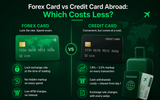
Forex Card vs. ATM: Which Is Better for Indians in New Zealand?
|
Cost Factor |
Forex Card |
ATM (Indian Debit Card) |
|
Local ATM fee |
Same as any card, if you withdraw cash |
NZD 0 at BNZ/Westpac/ASB/Kiwibank, NZD 3-7 elsewhere |
|
Indian bank conversion fee |
None |
3.5% + GST |
|
Indian bank flat fee |
None |
₹100-150 per withdrawal |
|
Exchange rate applied |
Locked in when you load, at a competitive rate |
Bank's rate at time of transaction, often marked up |
|
DCC risk |
Avoidable, decline and pay in NZD |
Same risk, plus HDFC's extra 1% if accepted |
|
Best used for |
Day-to-day spending and planned cash top-ups |
Emergencies and small top-ups only |
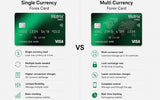
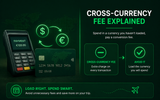
A forex card loaded with NZD before you leave India means zero conversion fees on every swipe, since the currency is already sitting on the card. Given how card-first New Zealand is, you'll do most of your spending through the card anyway, and only need cash for the handful of situations below.
Card Surcharges at New Zealand Tills
This one is specific to New Zealand and doesn't come up in most other travel-money guides. New Zealand has moved firmly toward being a cashless country, but that's brought a side effect worth knowing about. Since 2022, more merchants, especially cafes, small retailers, and taxi apps, have started adding a surcharge, typically 1.5–2%, when you tap or swipe a card rather than pay cash.
This is separate from anything your bank or a forex card charges. It applies to any card, Indian or New Zealand, debit or forex. Some places display it clearly on a sign near the till; others only show it on the receipt. It's small on any single coffee, but across a two-week trip of mostly-card spending, it adds up. Carrying a bit of cash for everyday purchases isn't just a backup plan in New Zealand, it can genuinely save you money.
The Best Way to Get NZD Before You Fly
New Zealand doesn't have the dense money-changer culture you'd find in Bangkok or Dubai. Currency exchange counters exist mainly at airports and a handful of city locations, and airport counters in particular offer some of the weakest rates you'll find anywhere in the country.
The more reliable approach is to sort your NZD before you leave India. Order NZD cash or load a forex card through an RBI-authorised dealer at home, where you can see the live interbank rate and compare it directly, rather than negotiating with a counter once you've already landed. If you do need to top up while you're there, a bank branch ATM will still beat an airport exchange counter on rate.
Do You Even Need Much Cash in New Zealand?
Less than you'd think. Card acceptance is close to universal, cafes, restaurants, supermarkets, petrol stations, even market stalls mostly run EFTPOS-linked terminals that take Visa and Mastercard.
Where cash still genuinely helps:
• Honesty boxes at roadside farm stalls and smaller regional markets, common on South Island drives
• DOC hut fees if you're doing any of the Great Walks and paying on the spot rather than booking online
• Small-town parking meters in older machines that haven't been upgraded to card readers
• Everyday purchases where you'd rather avoid the card surcharge mentioned above
For a two-week trip, NZD 200–300 in cash is usually enough to cover all of this. Load the rest on a forex card and use your Indian card only as a backup.
How Much Should Indians Budget for New Zealand?

Estimate your daily New Zealand travel budget with quick NZD and INR comparisons for every travel style.
New Zealand is notably expensive by Southeast Asian standards, closer to Australia or Western Europe than to Thailand or Bali.
• Budget traveller (hostels, self-catering, public transport): NZD 100–150 per day (≈ ₹5,600–8,400)
• Mid-range traveller (private rooms, some dining out, a rental car): NZD 250–400 per day (≈ ₹14,000–22,400)
• Luxury traveller (boutique lodges, fine dining, guided tours): NZD 500+ per day (≈ ₹28,000+)
There's another cost to plan for before you even land: Indian passport holders need a visitor visa for New Zealand, there's no visa-free or on-arrival option. The visa fee runs to roughly NZD 246 (≈ ₹13,000–13,700), and processing typically takes a few weeks, so it's worth applying well ahead of your travel dates rather than leaving your forex planning to the last minute.
ATM Safety in New Zealand
New Zealand ranks among the safer countries to travel in, and ATM skimming is uncommon compared to many other destinations. That said, the usual habits are still worth keeping:
• Use ATMs inside bank branches, malls, or supermarkets rather than isolated standalone machines
• Cover the keypad when entering your PIN
• Check your account once you're back on wifi. If a charge looks off, contact your bank immediately
New Zealand ATMs return your card before dispensing cash, the same sequence as Indian ATMs, so there's nothing unfamiliar there. If your forex card is ever lost or blocked while you're travelling, here's how to get it replaced quickly.
Frequently Asked Questions
Can I use my Indian debit card at ATMs in New Zealand?
Yes, on any Visa or Mastercard network, which covers HDFC, SBI, ICICI, Axis, and most Indian bank cards. Expect combined fees of roughly ₹1,100 to ₹2,500 per withdrawal depending on the amount and which bank's ATM you use.
What is the ATM withdrawal limit in New Zealand?
Most machines cap foreign-card withdrawals between NZD 800 and NZD 2,000 per transaction. Your Indian bank's own daily international limit often applies first, so check it before you travel.
Which New Zealand banks don't charge foreign card fees?
BNZ, Westpac, ASB, and Kiwibank generally don't add a local ATM fee for foreign cards. ANZ may charge a small fee at some machines, and standalone ATMs in dairies or petrol stations are the most likely to charge NZD 3 to 7.
Should I use a forex card or my Indian debit card in New Zealand?
A forex card loaded with NZD is the cheaper option for regular spending, since it avoids the 3.5 percent plus conversion markup your Indian bank charges on every withdrawal. Keep your Indian debit card as a backup for emergencies.
Do I need much cash in New Zealand?
Not a lot. NZD 200 to 300 for a two-week trip covers honesty boxes, hut fees, and older parking meters. Card acceptance is close to universal everywhere else.
Is New Zealand expensive for Indian travellers?
Yes, more so than most of Southeast Asia. Budget travellers spend NZD 100 to 150 a day, mid-range travellers NZD 250 to 400, and it climbs from there for guided tours and boutique stays.
Do I need a visa to travel to New Zealand from India?
Yes. Indian passport holders need a visitor visa in advance, there is no visa-on-arrival option. The fee is around NZD 246, and processing typically takes a few weeks.
What is EFTPOS, and does my Indian card work with it?
EFTPOS is New Zealand's domestic debit card network. Foreign cards are not issued on EFTPOS, but almost every EFTPOS terminal also accepts Visa and Mastercard, so an Indian card will still work at the same till.
Planning a New Zealand trip or sending a child off to study there? Load NZD on your Matrix Forex Card before you fly at the live interbank rate, with zero markup on every swipe and withdrawal in the currency you've loaded. Order online with home delivery, or visit any of our 8 branches across India.
Load NZD on your Matrix Forex Card → matrixforex.in/forex-card
Related reading: Forex Card vs Credit Card Abroad · Documents Needed for Forex Purchase in India · What to Do With Leftover Foreign Currency After Your Trip · New Zealand Dollar Currency Guide
Same-day delivery · RBI-authorised · No hidden charges
Get Free Callback →More from the Blog