 US Dollar
 Euro
Euro British Pound
 UAE Dirham
 Australian Dollar
 Singapore Dollar
Fukuoka Travel Guide
Buy Japanese YenFukuoka in three days
Fukuoka is the best-value big city in Japan, and one of the least visited by Indian travellers relative to what it offers. Compact, walkable, and built around yatai street food stalls and Hakata-style ramen, it also happens to have the shortest airport-to-city transfer of any major Japanese city. Most visitors give it 2 to 3 days, often as a Kyushu gateway.
Fukuoka Airport (FUK) has the shortest airport-to-downtown transfer of any major city in Japan, a genuine advantage worth building the first hour of a trip around.
There's rarely a reason to take anything but the subway here. Five minutes and ¥260 covers what takes 40-90 minutes and several thousand yen at Tokyo's or Osaka's airports.
Day 1: Hakata Old Town and Canal City Morning: arrive, subway straight into Hakata Station. Midday: Kushida Shrine and the Machiya Folk Museum. Afternoon: Canal City for shopping and a break. Evening: Nakasu yatai stalls, bring cash.
Day 2: Ohori Park and a slower pace Morning: Ohori Park and the Fukuoka Castle ruins. Midday: lunch near Tenjin. Afternoon: Tenjin shopping streets, or Nanzoin Temple's reclining Buddha if that's on the list. Evening: Tenjin yatai stalls for a different crowd and setting than Nakasu.
Day 3: Day trip or a final food crawl If a day trip fits: Dazaifu or Nanzoin, roughly half a day round trip. Otherwise: a slower morning, one more Hakata ramen shop, and whatever from days 1-2 deserves a return visit. Evening: a last yatai stop before moving on.
Where to stay
Where you base yourself in Fukuoka changes the trip more than almost anything else. These are the areas that work for first-time visitors from India.
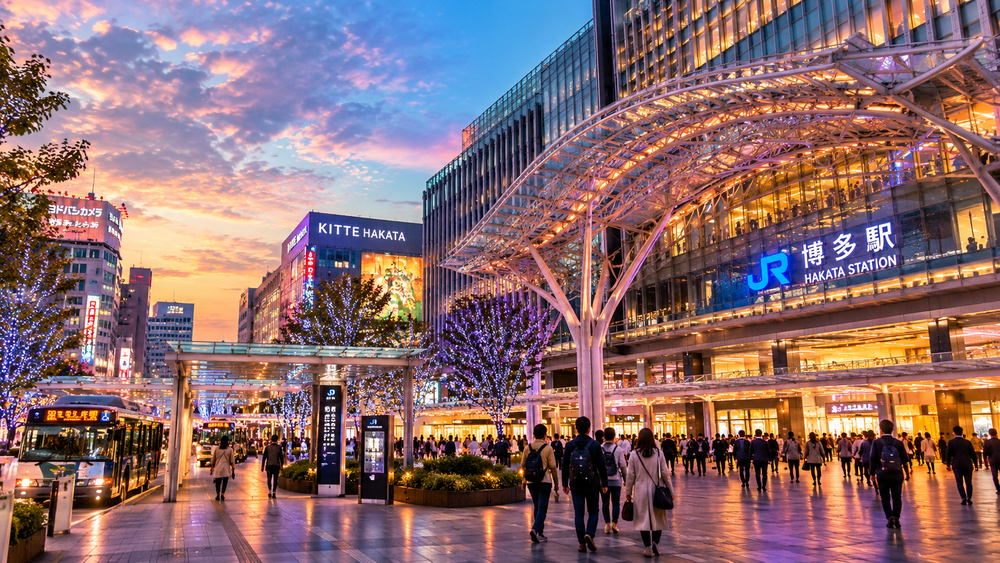
Hakata (around the station)
Direct Shinkansen access, hotels at every price point. Doubles around ¥7,000-14,000 a night.
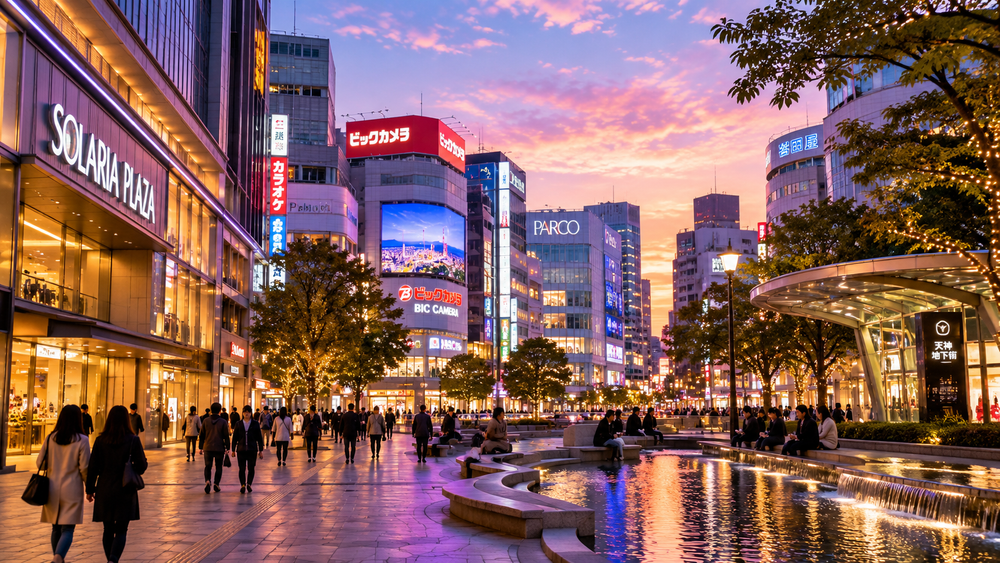
Tenjin
Central, walkable, less convenient for early departures. Doubles around ¥8,000-15,000 a night.
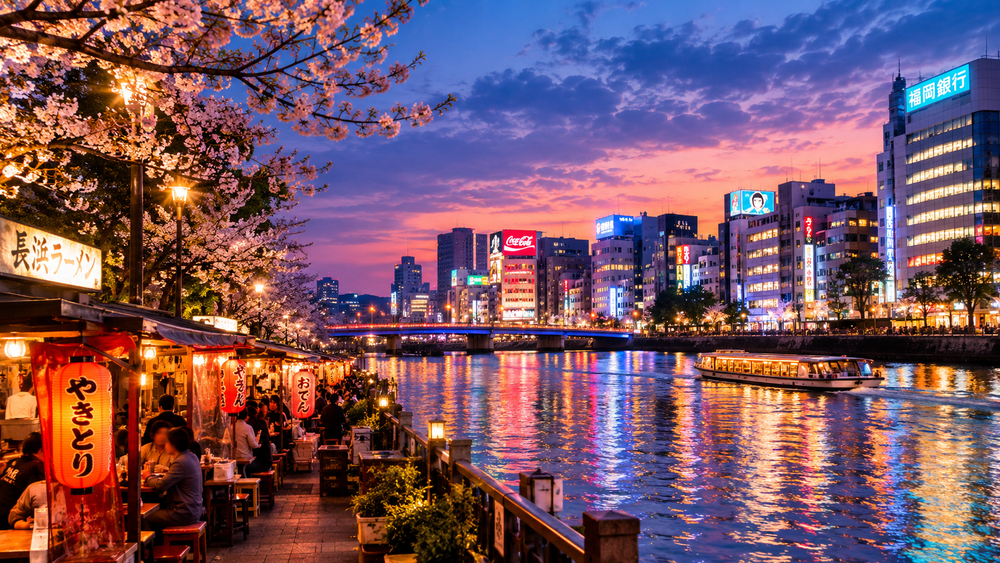
Nakasu/Riverside
Right next to the stalls, lively after dark. Doubles around ¥7,500-14,000 a night.
Paying in Fukuoka
Fukuoka's transit and larger shops run card-friendly. Contactless cards even work directly at subway gates without a separate IC card. The gap is specifically the yatai stalls and smaller neighbourhood shrines, both cash-leaning, and both central to what makes a Fukuoka trip worthwhile.
Carrying a reasonable cash float, particularly for evening yatai plans, covers Fukuoka comfortably. A food-focused evening of stall-hopping is where most of a day's cash actually gets spent here.
7-Eleven ATMs around Hakata Station and Tenjin are the most reliable for foreign cards. Convenience-store ATM fees vary, some charge nothing, others a small flat fee per withdrawal, worth checking the screen before confirming.
For the currency basics, the LRS and TCS numbers, and where to buy yen before flying, see the Japan travel guide.
Before you fly it is worth checking how the INR to JPY rate is set, and knowing how to spot a genuine yen note when you take change from a small vendor.
What Fukuoka actually costs
Set the length and style of your trip to see what to budget, in yen and rupees.
Indicative, excluding international flights, intercity rail and paid attractions, per person per day. Converted at the verified mid-market rate on 10 September 2026, JPY 100 ≈ ₹61.90, not a Matrix board rate.
| Tier | Hotel (per night) | Food (pp/day) | Local transit (pp/day) | 3-day total, two sharing |
|---|---|---|---|---|
| Backpacker | ¥2,800-4,800 | ¥1,500 | ¥500 | ¥20,400-26,400 |
| Mid-range | ¥7,000-13,000 | ¥3,200 | ¥500 | ¥43,200-61,200 |
| Premium | ¥15,000+ | ¥6,500+ | ¥500 | ¥87,000+ |
Figures exclude flights, intercity rail and paid day trips, add roughly ¥800-1,000 for Dazaifu or similar on top.
Getting around
Fukuoka is one of the most walkable cities in Japan. The main tourist corridor between Hakata Station and Tenjin is a flat 20-minute walk through Canal City and Nakasu, doable on foot for most of a day's sightseeing.
The subway (three lines: Airport, Hakozaki and Nanakuma) covers longer hops. A one-day subway pass runs around ¥640, worth it on a day with four or more rides. Lighter days are usually cheaper on single fares or a tapped IC card, since Fukuoka's subway network is smaller and journeys tend to be short.
Contactless Visa, Mastercard and Amex work directly at subway gates too. Tap in the same way you would an IC card, useful if you'd rather not set one up for a short Fukuoka-only stay.
The Charichari bike-share network is worth knowing about for longer point-to-point trips. Standard bikes run about ¥4/minute, electric-assist about ¥15/minute. Scan a QR code at any of the city's docking ports.
Last subway trains run around 11:45pm on all lines, with the first trains from about 5:30am. Taxis or the GO app cover the gap if a yatai evening runs past midnight.
Common mistakes in Fukuoka
Assuming yatai stalls take cards the way chain restaurants do
Assuming yatai stalls take cards the way chain restaurants do. Many are cash-only or cash-preferred, carry enough yen for a full evening out.
Skipping Fukuoka entirely in favour of only Tokyo, Kyoto and Osaka
Skipping Fukuoka entirely in favour of only Tokyo, Kyoto and Osaka. It's genuinely one of the best-value stops in Japan and gets far less crowded as a result.
Missing the last subway at 11:45pm on a long yatai night
Missing the last subway at 11:45pm on a long yatai night. Know the taxi or GO app fallback before you need it.
Underestimating how walkable the Hakata-Tenjin corridor is and over-re
Underestimating how walkable the Hakata-Tenjin corridor is and over-relying on the subway for short hops that are faster on foot.
Not booking around Hakata Gion Yamakasa in early July if that timing o
Not booking around Hakata Gion Yamakasa in early July if that timing overlaps with a trip, Nakasu gets significantly busier that week.
Fukuoka FAQs
It covers Hakata Old Town, Canal City and one yatai evening, but 3 days lets you add Ohori Park and a day trip without rushing.
Mostly yes. Many small operators don't take cards, plan on carrying enough physical yen for an evening of stall-hopping.
Yes, especially if you've done that circuit before or want a less crowded, more affordable stop. It runs cheaper than any other city in this guide and has genuinely distinct food culture.
The subway, five minutes and ¥260 to Hakata Station, the fastest and cheapest airport transfer of any major Japanese city.
Yes, easily, about 30 minutes each way by train, and it pairs well with a half-day Fukuoka morning or afternoon.
Nakasu is the riverside, classic setting most visitors picture. Tenjin's stalls sit in a more shopping-district context, similar food, different atmosphere.
Yes, it's the region's largest city and best connected, with direct Shinkansen access making it a natural base for onward travel into Kyushu.
Buy japanese yen before you fly
See your Matrix rate and the applicable charges before you confirm. Order online for doorstep delivery or collect from your nearest branch.
RBI Authorised Dealer Category-II, Licence No. NDL-ADII-0023-2023 · Same-day delivery · Serving 3 lakh+ customers