 US Dollar
 Euro
Euro British Pound
 UAE Dirham
 Australian Dollar
 Singapore Dollar
Tokyo Travel Guide
Buy Japanese YenTokyo in three days
Tokyo is the city most Japan trips start and end in, and for good reason. It is the most cashless part of the country, the best connected to everywhere else you might want to go, and dense enough that three focused days barely scratch it. Most first-time visitors give it 3 to 5 days.
Two airports serve Tokyo, and which one your flight lands at changes your first hour more than almost anything else in this guide.
Haneda is closer to central Tokyo and the better arrival point if your itinerary lets you choose. Narita is where most long-haul India-Japan routes actually land, so budget the extra hour and the Skyliner or N'EX fare into day one.
Day 1: Asakusa and the east side Morning: Senso-ji and Nakamise Street. Midday: Tokyo Skytree, book the sunset slot if you want both daylight and night views in one visit. Afternoon: cross to Toyosu for teamLab Planets if you booked a slot, or Tsukiji outer market for a late lunch. Evening: back to your base neighbourhood for dinner.
Day 2: Shibuya, Harajuku, Shinjuku Morning: Meiji Shrine, then Takeshita Street. Midday: Shibuya Scramble and Shibuya Sky. Afternoon: walk or train to Shinjuku, Shinjuku Gyoen if the weather is good. Evening: Golden Gai for a drink, or the free Tokyo Metropolitan Government Building deck for a last skyline view.
Day 3: Ueno, Ginza, and a slower pace Morning: Ueno Park and one museum. Midday: Ameyoko for lunch and browsing. Afternoon: Ginza for shopping or a quieter walk. Evening: leave room for whatever day 1 or 2 ran short on, Tokyo rewards a flexible last day more than a packed one.
Where to stay
Where you base yourself in Tokyo changes the trip more than almost anything else. These are the areas that work for first-time visitors from India.
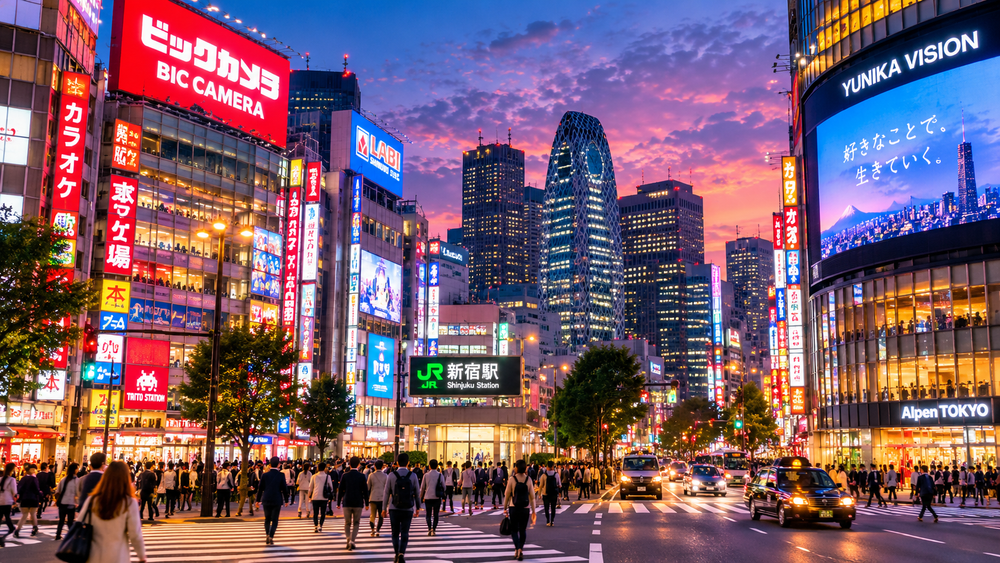
Shinjuku
Loud, endless food, best transit hub in the city. Doubles around ¥12,000-20,000 a night.
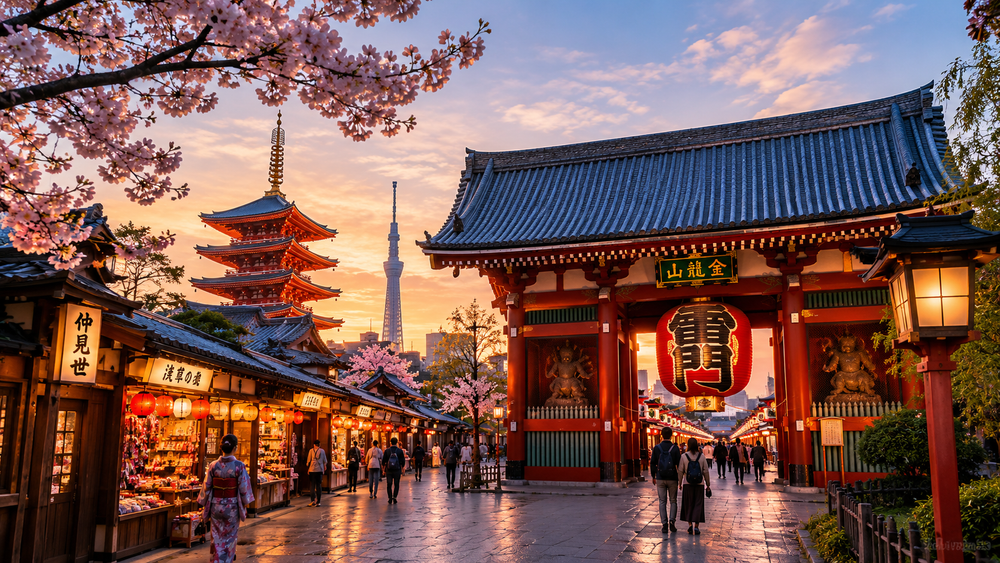
Asakusa
Traditional, near Senso-ji, quieter at night. Doubles around ¥8,000-15,000 a night.
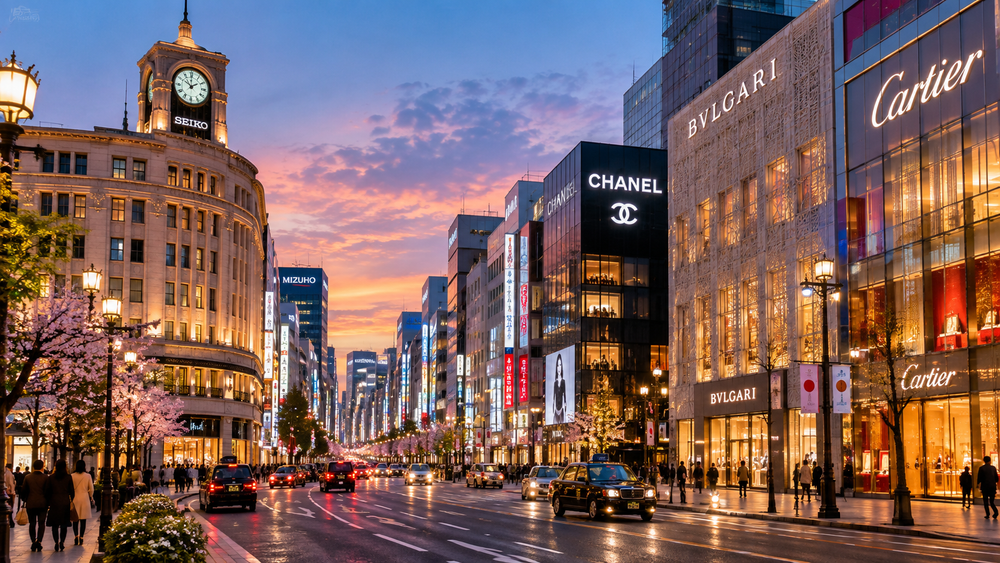
Ginza
Polished, upscale, close to Tokyo Station. Doubles around ¥18,000-35,000+ a night.
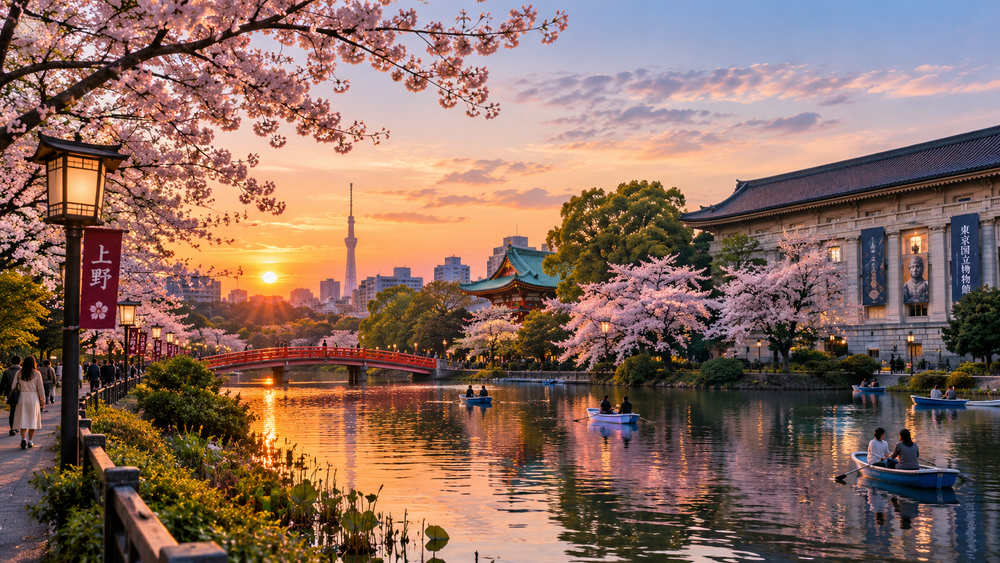
Ueno
Practical, park and museum cluster, near Narita rail links. Doubles around ¥7,000-13,000 a night.
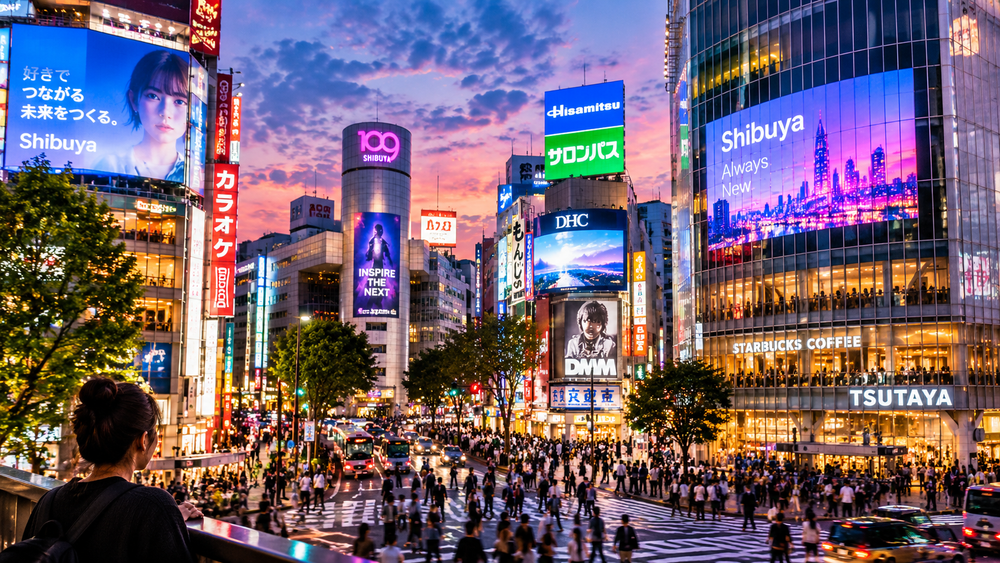
Shibuya
Trendy, the Scramble crossing, easy Yamanote access. Doubles around ¥13,000-22,000 a night.
Paying in Tokyo
Tokyo is the most card-friendly city in Japan by a clear margin. Contactless and Suica cover trains, convenience stores, chain restaurants, department stores and most mid-range dining without friction.
Cash still shows up at small ramen counters and standing soba stalls, some older vending machines, temple and shrine offering boxes, and a handful of Tsukiji market stalls. None of it needs much. Two days of incidentals in cash, the rest on a card or in the hotel safe. That covers Tokyo comfortably, more so than almost any other Japanese city.
For foreign-card ATMs, 7-Eleven (Seven Bank) machines are everywhere in Tokyo specifically, run 24 hours, and have a full English interface. Japan Post Bank ATMs are the backup, more common near stations and post offices, but generally follow business hours rather than running around the clock.
For the currency basics, the LRS and TCS numbers, and where to buy yen before flying, see the Japan travel guide.
Before you fly it is worth checking how the INR to JPY rate is set, and knowing how to spot a genuine yen note when you take change from a small vendor.
What Tokyo actually costs
Set the length and style of your trip to see what to budget, in yen and rupees.
Indicative, excluding international flights, intercity rail and paid attractions, per person per day. Converted at the verified mid-market rate on 10 September 2026, JPY 100 ≈ ₹61.90, not a Matrix board rate.
| Tier | Hotel (per night) | Food (pp/day) | Local transit (pp/day) | 3-day total, two sharing |
|---|---|---|---|---|
| Backpacker | ¥4,000-6,000 | ¥2,000 | ¥800 | ¥28,800-34,800 |
| Mid-range | ¥12,000-18,000 | ¥5,000 | ¥1,000 | ¥72,000-90,000 |
| Premium | ¥25,000+ | ¥10,000+ | ¥1,500 | ¥144,000+ |
Figures exclude flights, intercity rail and paid attractions like Skytree or teamLab, add those on top per your itinerary.
Getting around
A Suica or Pasmo IC card is the one thing to sort out before you do anything else. Tap in, tap out. It works at every metro barrier in the city, on JR, Metro, Toei and private lines alike, plus buses and convenience-store tills. Buy a physical Welcome Suica at the airport (no deposit, valid 28 days) or set up a virtual one on Apple Wallet or Google Pay through the Welcome Suica Mobile app before you land, topped up with an Indian Visa or Mastercard.
The Tokyo Subway Ticket is the other option. Worth understanding what it covers before you buy one. It gives unlimited rides on all Tokyo Metro and Toei Subway lines, priced at ¥1,000 for 24 hours, ¥1,500 for 48 hours and ¥2,000 for 72 hours (child fares roughly half). It does not cover JR lines. That means no Yamanote Line, the green loop that circles central Tokyo and that most guidebooks assume you will use constantly.
That JR gap is the actual decision. Lean on the Yamanote Line and JR stations, and a pay-as-you-go Suica works out cheaper and simpler. Doing four or more Metro/Toei rides in a single day, hopping between Asakusa, Ginza, Shibuya and Shinjuku on the subway network specifically, and the 24-hour ticket pays for itself. Most travellers end up using Suica as the default and treat the Subway Ticket as an add-on for one or two subway-heavy sightseeing days rather than a blanket pass for the whole trip.
Skip the JR Pass unless Tokyo is one stop on a longer loop. It only pays for itself on genuine intercity travel; see the Japan guide's transport section for the full Tokyo-Kyoto-Hiroshima math.
Common mistakes in Tokyo
Assuming the JR Pass covers everything
Assuming the JR Pass covers everything. It does not cover Tokyo Metro or Toei Subway lines, the Tokyo Subway Ticket and the JR Pass solve different problems.
Buying the Tokyo Subway Ticket without checking whether your days actu
Buying the Tokyo Subway Ticket without checking whether your days actually lean on the Metro/Toei network versus the JR Yamanote loop, which it does not cover.
Skipping teamLab or Skytree tickets until arrival
Skipping teamLab or Skytree tickets until arrival. Both sell out on weekends and holiday dates, book ahead if either is a must-do.
Not booking a Ginza or Shinjuku restaurant reservation in advance for
Not booking a Ginza or Shinjuku restaurant reservation in advance for anything beyond casual dining, walk-in tables at good places fill fast.
Treating Tsukiji outer market like an ATM run, it is a food market, no
Treating Tsukiji outer market like an ATM run, it is a food market, not a currency exchange, and the good stalls are cash-only and cash-preferring.
Tokyo FAQs
No. The JR Pass only makes sense if you are covering serious intercity distance, Tokyo to Kyoto to Hiroshima and back, for example. For a Tokyo-only trip, a Suica card and occasional Subway Ticket cover everything you need.
3 days covers the highlights at a reasonable pace. 5 days lets you add a day trip and slow down without feeling like you are racing the clock.
Start with Suica as your default, it works everywhere including JR lines and buses. Add a Subway Ticket only for a specific day where you know you will take four or more Metro/Toei rides.
Haneda if you have a choice, it is closer to the city centre. Most India-Japan long-haul routes land at Narita, which adds roughly an hour of transfer time via the Skyliner or Narita Express.
Yes, both use timed-entry tickets and regularly sell out on weekends and holidays. Book online at least a few days ahead, further out if your dates are fixed around a weekend.
Yes. Tokyo is consistently one of the safer major cities in the world for walking at night. The usual city-sense rules still apply, watch your belongings on crowded trains. In nightlife-heavy areas like Kabukicho in Shinjuku, be deliberate about which bar or club a tout is steering you toward rather than following blind.
Buy japanese yen before you fly
See your Matrix rate and the applicable charges before you confirm. Order online for doorstep delivery or collect from your nearest branch.
RBI Authorised Dealer Category-II, Licence No. NDL-ADII-0023-2023 · Same-day delivery · Serving 3 lakh+ customers