 US Dollar
 Euro
Euro British Pound
 UAE Dirham
 Australian Dollar
 Singapore Dollar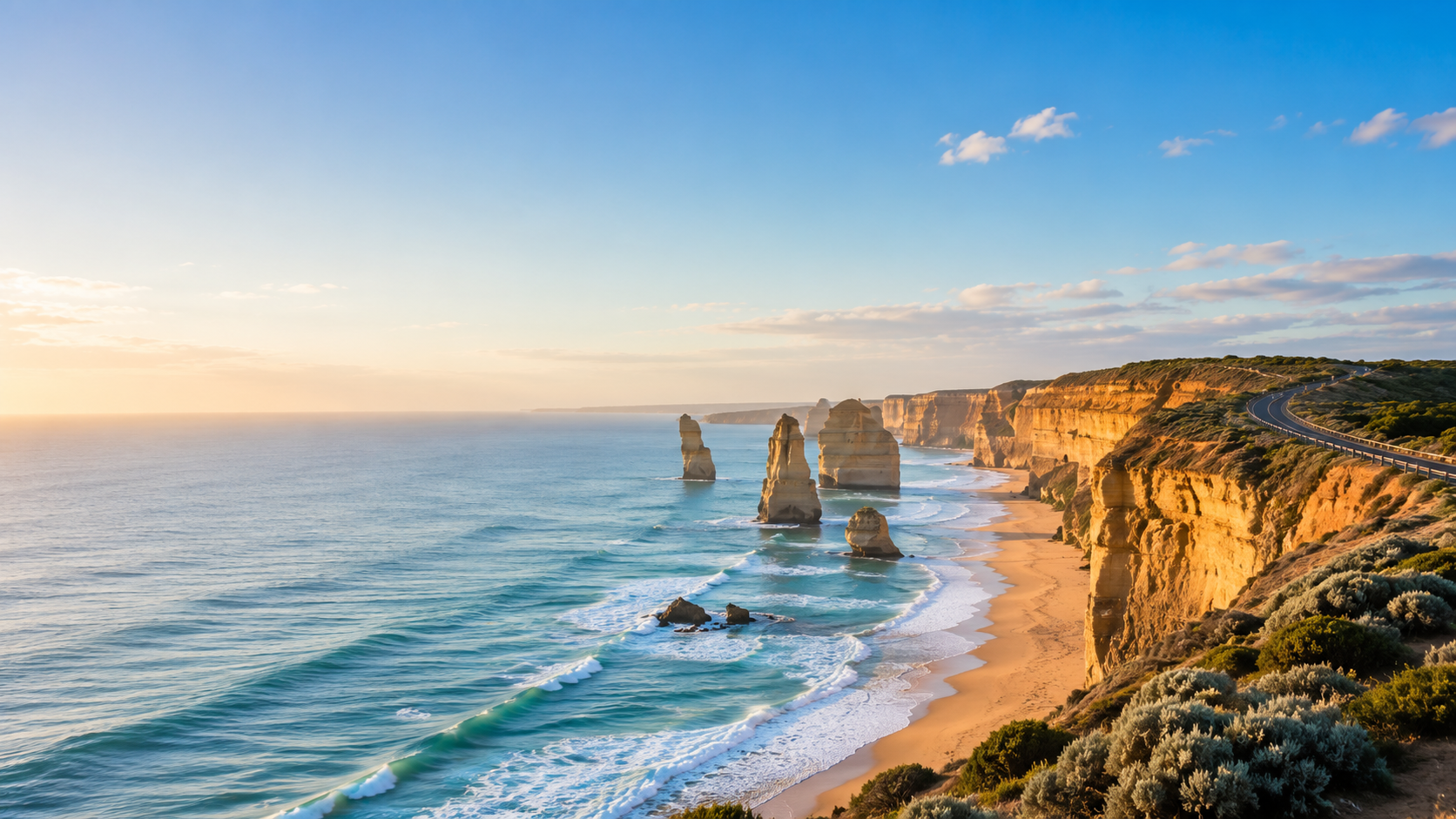
Australia Travel Guide
A practical Australia travel guide for travellers from India: the Australian Dollar, cards versus cash, entry planning, city budgets, transport, national parks and travel-money preparation.
Australia money at a glance
Currency
Australian Dollar (AUD). Polymer notes are AUD 5, 10, 20, 50 and 100; coins are 5, 10, 20 and 50 cents plus AUD 1 and AUD 2.
Paying
Card-first in cities and tourist areas. Contactless is common. Some businesses add a disclosed card surcharge, though surcharging on eftpos, Mastercard and Visa is being removed from 1 October 2026.
Cash for a week
AUD 150 to 250 is enough for most travellers as backup, for markets and for places where cash avoids a surcharge.
Visa planning
Most non-citizens need a visa or travel authority before departure. Depending on the passport held the route may be an ETA (601), eVisitor (651) or Visitor visa (600).
Daily budget
Roughly AUD 220 to 380 per person per day for a mid-range trip, excluding international flights. Sydney, reef trips and remote routes cost more.
Tax and refunds
GST is 10% and included in displayed prices. Eligible visitors may claim the Tourist Refund Scheme on qualifying goods.
Biosecurity
Declare food, plant material and animal products. Australia applies strict border biosecurity rules.
Australia is one of the easiest destinations for card-first travel. Hotels, supermarkets, restaurants, attractions and urban transport commonly accept cards or phone payments. Carry AUD 150 to 250 in cash for markets, small regional businesses, remote stops and any place where a card surcharge makes a small purchase noticeably more expensive. Keep at least two payment methods and do not depend on one physical card or one mobile wallet.
Best places to visit in Australia
Australia is vast, so choosing fewer regions usually makes a better first trip. Most itineraries are built from two or three of these bases, with domestic flights or long drives in between.
 New South Wales
Sydney
First-timers, harbour sights, beaches and the Blue Mountains.
 Victoria
Melbourne
Food, culture, sport and the Great Ocean Road.
 Queensland
Brisbane
City break with Sunshine Coast and Gold Coast access.
 Queensland
Gold Coast
Beaches, theme parks and families.
 Tropical Queensland
Cairns
Great Barrier Reef, Daintree and adventure.
 Western Australia
Perth
Beaches, Rottnest Island and Western Australia road trips.
 South Australia
Adelaide
Food, festivals, Kangaroo Island and value.
 Tasmania
Hobart
Nature, history, food and Tasmania road trips.
| City | Region | Daily budget | Paying | In short |
|---|---|---|---|---|
| Sydney | New South Wales | AUD 260-420 | Card-first | First-timers, harbour sights, beaches and the Blue Mountains. |
| Melbourne | Victoria | AUD 230-370 | Card-first; myki for transit | Food, culture, sport and the Great Ocean Road. |
| Brisbane | Queensland | AUD 200-330 | Card-first | City break with Sunshine Coast and Gold Coast access. |
| Gold Coast | Queensland | AUD 220-360 | Card-first | Beaches, theme parks and families. |
| Cairns | Tropical Queensland | AUD 240-400 | Card-first; tour costs matter | Great Barrier Reef, Daintree and adventure. |
| Perth | Western Australia | AUD 230-370 | Card-first | Beaches, Rottnest Island and Western Australia road trips. |
| Adelaide | South Australia | AUD 200-320 | Card-first | Food, festivals, Kangaroo Island and value. |
| Hobart | Tasmania | AUD 210-350 | Card-first; car helpful | Nature, history, food and Tasmania road trips. |
What things cost in Australia
| Coffee | AUD 4.50 to 6.50 |
|---|---|
| Casual meal for one | AUD 18 to 30 |
| Sit-down dinner for two | AUD 90 to 150 |
| Sydney Opal daily cap | Up to AUD 19.30 Mon to Thu, AUD 9.65 Fri to Sun and public holidays (plus airport station access fee) |
| Queensland Translink trip | 50 cents flat across eligible services (Airtrain excluded) |
| Mid-range hotel, per night | AUD 170 to 300, higher in Sydney and peak periods |
| Domestic flight | AUD 120 to 350 depending on route, date and baggage |
| Rental car, all-in | AUD 80 to 160 per day after insurance, fuel, parking and tolls |
| Full-day Great Barrier Reef tour | Often AUD 220 to 350+, depending on vessel and inclusions |
Budget roughly ₹12,200 to ₹21,100 per person per day on the ground, two sharing a room and excluding flights.
Budget ranges are editorial planning estimates based on typical mid-range travel costs reviewed in July 2026, for one person, two sharing a room, excluding international flights. Actual prices vary by season, location, booking time, traveller preferences and inclusions.
Fees and fares that change
AUD 5.70 half-price period, full fare (concession about AUD 2.85; the standard full-fare cap is about AUD 11.40) until 1 January 2027
Transport Victoria →AUD 25 tropical-summer rate (the usual dry-season price is AUD 40) until 31 October 2026
Parks Australia / Kakadu →AUD 8.50 full-day / AUD 4.25 part-day (usually collected with your tour) until 31 March 2027
Great Barrier Reef Marine Park Authority →Some businesses may add a disclosed surcharge on card payments. Surcharging on eftpos, Mastercard and Visa debit, prepaid and credit cards is scheduled to be removed from 1 October 2026.
Reserve Bank of Australia →Money in Australia, in detail
Australia uses the Australian Dollar and is highly card-friendly, but card surcharges, long domestic distances and expensive tours can raise the final budget. Entry permission depends on the passport held. For a comfortable mid-range trip, budget around AUD 220 to 380 per person per day, with higher allowances for Sydney, the Great Barrier Reef, Uluru and rental-car itineraries. Carry most spending on an AUD prepaid or multi-currency travel card or a low-foreign-transaction-fee bank card, plus AUD 150 to 250 in cash for backup. Declare food and other biosecurity-risk items on arrival.
Understanding the Australian Dollar exchange rate
AUD exchange rates move constantly and are hard to predict. Focus on the final customer rate, card foreign-transaction fees, ATM charges and any card surcharge rather than trying to pick a perfect day. Compare the quoted AUD rate against a reliable market reference and check all visible charges before you confirm.
How much AUD to carry
For a mid-range trip, allow around AUD 220 to 380 per person per day before international flights. Most travellers can place planned spending on an AUD prepaid or multi-currency travel card or a low-foreign-transaction-fee bank card, and carry AUD 150 to 250 in cash for a week. Increase the buffer for road trips, remote areas and tours that must be paid on the day.
Cards, cash and three payment traps
Card acceptance is widespread, but a card-first trip should still include a backup. Carry two independently issued cards where practical, enable international use, and know your issuer's foreign-transaction, ATM and replacement fees.
- Dynamic currency conversion: when a terminal offers AUD or your home currency, choose AUD. Home-currency billing can carry an unfavourable processor rate.
- Card surcharges: the position is changing on 1 October 2026 — see the current status in the fees panel above.
- Device mismatch on transit: where contactless transport is available, tap on and off with the same physical card or the same phone so the system applies the correct fare and caps.
The best ATM approach in Australia
Use ATMs operated by recognised banks and review the operator fee before confirming. Your own bank or travel-card issuer may also charge a withdrawal or conversion fee. Fewer, larger withdrawals usually cost less than repeated small ones. Decline any ATM offer to convert into your home currency and let your own provider handle the AUD transaction.
GST and the Tourist Refund Scheme
Australia applies a 10% GST to most goods and services, normally included in displayed prices. Eligible international travellers may claim a refund under the Tourist Refund Scheme when purchases total at least AUD 300 (including GST) from a supplier using the same ABN, the goods were bought within 60 days of departure, and the invoice and export conditions are met. Services such as hotels, tours and car rental are not claimable.
Getting around Australia
Australia is very large, so fewer regions usually makes a better first trip. Domestic flights are typically the most practical way to connect Sydney, Melbourne, Brisbane, Cairns, Perth, Adelaide, Darwin, Hobart and the Red Centre.
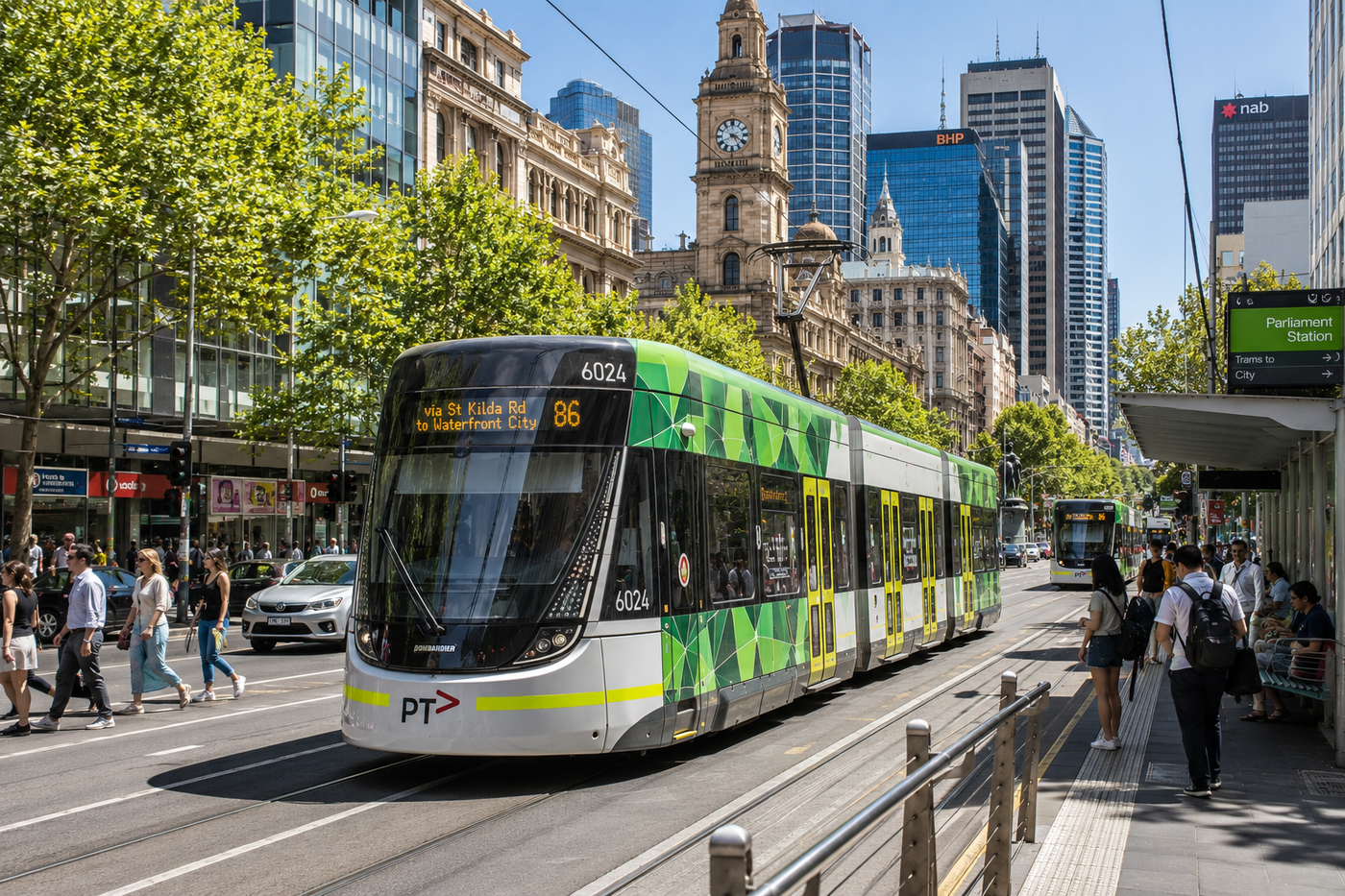
Public transport varies by city. Sydney uses Opal or supported contactless, with daily and weekly caps (see What things cost). Melbourne mainly uses myki; a state-wide half-price period is in effect, so check the current daily cap in the fees panel above. Queensland Translink uses a permanent 50-cent flat fare on eligible services, excluding Airtrain. Perth offers cash, contactless and SmartRider. Recheck each network before travel.
Driving rules and recognition of overseas licences are set by each state and territory. Carry your valid home-country licence and check whether an English translation or International Driving Permit is required in every jurisdiction on your route. Budget for insurance, fuel, tolls, one-way fees, parking and long distances between stops.
National park and Great Barrier Reef fees
Australia has no single national-park pass. Commonwealth, state and territory parks use different entry, vehicle, camping and tour charges. For the current Kakadu pass price and the Great Barrier Reef Environmental Management Charge — both seasonal or temporary in 2026 — see the fees panel above. Tour operators usually collect the reef charge with the tour price. Check the specific park or operator page before you pay for flights, accommodation or a rental car.
Entering Australia and biosecurity
Australia applies strict biosecurity controls. Declare food, plant material, animal products, medicines and other listed goods, even small quantities or homemade food. If unsure, declare the item; declaration itself does not automatically lead to a penalty, but failing to declare, or giving false information, can lead to infringement action, civil or criminal penalties and possible visa cancellation. Check current Australian Border Force guidance before packing snacks, spices, seeds, wooden items, herbal products or medicines.
Australian visa requirements by passport
Entry requirements depend on the passport held, travel purpose and intended length of stay. Travellers using an Indian passport should verify the applicable visa route through the Australian Department of Home Affairs. Some passport holders may be eligible for an Electronic Travel Authority (subclass 601) or eVisitor (subclass 651); others may need the Visitor visa (subclass 600).
The Visitor visa has a base application charge set by the Department of Home Affairs and updated periodically, so check the current fee before you apply. Processing times vary and the official guide is only an indication.
Check Australian visa options → · Check current visa charges → · Check visa processing times →
Australia money FAQs
Most non-citizens need a visa or electronic travel authority before departure. The correct route depends on the passport held and may be an Electronic Travel Authority (subclass 601), an eVisitor (subclass 651) or a Visitor visa (subclass 600). Use the Department of Home Affairs visa options tool before booking.
The cost depends on the passport and visa route. The Visitor visa (subclass 600) Tourist stream has a base application charge set by the Department of Home Affairs, which is updated periodically, and ETA or eVisitor applicants follow different arrangements. Check the current fee on the official Department of Home Affairs visa pricing page before you apply.
Processing times vary by visa stream, application quality, document checks and demand. Use the official Home Affairs processing-time guide for the specific visa and apply well before your intended departure.
Use a combination of an AUD prepaid or multi-currency travel card or a low-foreign-transaction-fee bank card, a separately issued backup card and a modest amount of Australian Dollar cash. Compare exchange rates, foreign-transaction fees, ATM charges and card surcharges before choosing.
Many travellers manage with AUD 150 to 250 in cash for a week because cards are widely accepted. Keep small notes for markets, small businesses, emergencies and any place where a card surcharge makes cash more economical.
There is no general limit on the amount you may carry, but cash and certain monetary instruments with a combined value of AUD 10,000 or more, or the foreign-currency equivalent, must be declared when moving into or out of Australia.
Usually yes, provided international transactions are enabled and the card network is accepted. Your issuer may charge a foreign-transaction fee. Some businesses may add a disclosed card surcharge, though surcharging on eftpos, Mastercard and Visa is being removed from 1 October 2026.
Choose AUD. Paying in your home currency may trigger dynamic currency conversion, where the merchant or payment processor sets the exchange rate and may add a significant margin.
They have occurred at some cafes, restaurants, airlines and small businesses. From 1 October 2026, surcharging on eftpos, Mastercard and Visa debit, prepaid and credit cards is being removed, so the displayed price should be the price you pay. Before that date, check the amount before confirming.
Driving rules are set by Australian states and territories, and rental-company requirements can differ. Carry your valid home-country licence and check whether an English translation or International Driving Permit is required for every place you will drive.
Eligible international travellers may use the Tourist Refund Scheme when they spend at least AUD 300 (including GST) with a supplier using the same ABN, buy the goods within 60 days of departure and meet the invoice and export conditions. Services are not eligible.
Australia has strict biosecurity rules. Declare food, plant material, animal products and other listed risk items on arrival. Declaring an item does not automatically mean it will be confiscated, but failing to declare can lead to penalties or visa consequences.
Sort your Australian Dollar before you fly
Lock the rate, carry the right mix of cash and card, and know today’s AUD rate before you book.
Official sources reviewed
- Australian Department of Home Affairs — Visitor visa (subclass 600) and current visa pricing
- AUSTRAC — Moving money across international borders
- Australian Border Force — Tourist Refund Scheme and biosecurity declarations
- Australian Taxation Office — GST
- Transport for NSW — Opal fares and caps
- Victorian Government / Transport Victoria — Half-price travel and metropolitan myki fares
- Translink Queensland — 50 cent fares
- Reserve Bank of Australia — Review of Merchant Card Payment Costs and Surcharging
- Parks Australia / Kakadu National Park — Park passes
- Great Barrier Reef Marine Park Authority — Environmental Management Charge
Last reviewed 31 July 2026 by Matrix Forex Editorial Team. Next review due 31 October 2026.
Plan your australian dollar money before you fly
Check today’s rate, load a multi-currency forex card, or speak to a Matrix Forex expert about the right travel-money mix.
RBI Authorised Dealer Category-II, Licence No. NDL-ADII-0023-2023 · Serving 3 lakh+ customers