 US Dollar
 Euro
Euro British Pound
 UAE Dirham
 Australian Dollar
 Singapore Dollar
New Zealand Travel Guide
A practical New Zealand travel guide for international travellers: the New Zealand Dollar, cards versus cash, the NZeTA and visitor levy, strict biosecurity, regional budgets, road trips, Great Walks and money tips.
New Zealand money at a glance
Currency
New Zealand Dollar (NZD), shown as NZ$. Notes commonly used are $5, 10, 20, 50 and 100.
Paying
Card-first. Visa, Mastercard and contactless are widespread; a merchant card surcharge may appear, and rural areas can have limited options.
Cash for a week
NZD 150 to 300 is a practical starting float; most large costs (fuel, hotels, activities) go on a card.
Entry
Depends on the passport held. Visa-waiver visitors need an NZeTA and pay the NZD 100 International Visitor Levy; others need a visitor visa. See the entry section.
Daily budget
Roughly NZD 220 to 400 per person per day for a mid-range trip, more for Queenstown, Milford Sound and guided adventures.
Tax and refunds
GST is 15% and usually included in prices. There is no tourist GST refund on departure.
Biosecurity
Strict. Declare all food, plant and animal products and used outdoor gear, even if cleaned or packaged.
New Zealand is card-friendly in cities and tourist towns, but road trips often reach rural areas and national parks where payment options are more limited. Carry two cards from different providers, a modest NZD cash float and an emergency reserve. Check whether a merchant adds a card surcharge before you tap, and decline any offer to convert a payment or withdrawal into your home currency.
Best places to visit in New Zealand
New Zealand rewards slower travel across two islands. Cities like Auckland and Wellington work by transit, but most South Island and national-park routes are easiest with a rental car or campervan. Pick fewer regions and build in driving time.
 North Island
Auckland
Harbour city, food, island day trips and most travellers' first arrival.
 North Island
Rotorua and Taupo
Geothermal sites, Māori culture and lakes in the central North Island.
 North Island
Wellington
Museums, food and a compact, walkable capital.
 South Island
Nelson and Abel Tasman
Beaches, coastal hikes and kayaking at the top of the South Island.
 South Island
Christchurch and Canterbury
Gateway city, Akaroa and alpine routes; a common South Island start.
 South Island
Queenstown and Wānaka
Adventure capital: lakes, skiing and premium activities; budget higher.
| City | Region | Daily budget | Paying | In short |
|---|---|---|---|---|
| Auckland | North Island | NZD 230-420 | Walk, transit, ferry, car | Harbour city, food, island day trips and most travellers' first arrival. |
| Rotorua and Taupo | North Island | NZD 220-400 | Car, bus, tours | Geothermal sites, Māori culture and lakes in the central North Island. |
| Wellington | North Island | NZD 210-380 | Walk, bus, cable car | Museums, food and a compact, walkable capital. |
| Nelson and Abel Tasman | South Island | NZD 230-430 | Car, shuttle, boat | Beaches, coastal hikes and kayaking at the top of the South Island. |
| Christchurch and Canterbury | South Island | NZD 210-390 | Car, tram, bus | Gateway city, Akaroa and alpine routes; a common South Island start. |
| Queenstown and Wānaka | South Island | NZD 300-550 | Walk, bus, car, tours | Adventure capital: lakes, skiing and premium activities; budget higher. |
What things cost in New Zealand
| Coffee | NZD 5 to 7 |
|---|---|
| Casual meal for one | NZD 18 to 32 |
| Sit-down dinner for two | NZD 90 to 160 |
| Mid-range hotel per night | NZD 160 to 320, higher in Queenstown and peak summer |
| Rental car per day | NZD 60 to 140 before fuel and insurance |
| Campervan per day | NZD 120 to 280 depending on season and size |
| Inter-island ferry (Cook Strait) | NZD 60 to 120 per person, more with a vehicle |
| Guided adventure activity | NZD 150 to 500+ (bungy, glacier, cruises) |
Budget roughly ₹11,700 to ₹21,200 per person per day on the ground, two sharing a room and excluding flights.
Budget ranges are editorial planning estimates based on typical mid-range travel costs reviewed in July 2026, for one person, two sharing a room, including accommodation but excluding international flights and premium tours. Actual prices vary by season, region and activities.
Fees and rules that change
NZD 100 paid with the NZeTA or visa, non-refundable, and payable each time you request a new NZeTA. Visa-waiver visitors also need an approved NZeTA.
Immigration New Zealand →instant NZD 400 fine for failing to declare a risk item such as food, plant or animal products or used outdoor gear. When unsure, declare it; declaring is free and carries no penalty.
Biosecurity New Zealand (MPI) →use track, season and residency-based pricing and popular dates sell out; book early through the Department of Conservation. Most other national parks are free to enter.
Department of Conservation →Money in New Zealand, in detail
New Zealand uses the New Zealand Dollar and is highly card-friendly, but costs climb quickly through accommodation, fuel, ferries and premium activities, and rural stretches can have limited card acceptance. Entry depends on the passport held: visa-waiver visitors need an NZeTA and pay the NZD 100 International Visitor Levy, while others need a visitor visa. Budget around NZD 220 to 400 per person per day for a mid-range trip, more for Queenstown and guided adventures. Carry most spending on a low-fee card with a backup, plus a NZD 150 to 300 cash float, and take biosecurity declarations seriously.
Understanding the New Zealand Dollar exchange rate
NZD exchange rates float and are hard to predict. Compare the final customer rate after card foreign-transaction fees, travel-card loading fees and ATM charges, rather than a headline number. Check all visible charges before you confirm, and avoid changing your whole budget at an airport counter.
How much NZD to carry
A NZD 150 to 300 cash float is practical for many card-using visitors at the start of a trip. Fuel, hotels and major activities are usually paid by card, so top up cash as needed. Carry a slightly larger reserve for remote road trips, small rural stops and places without reliable card terminals.
Cards, cash and payment traps
Cards and contactless are widespread, but rural travel and national parks can have limited acceptance, so carry two cards from different providers plus a cash float.
- Dynamic currency conversion: when a terminal or ATM offers NZD or your home currency, choose NZD. Home-currency billing can carry an unfavourable processor rate.
- Card surcharges: some merchants add a surcharge for contactless or credit; check before you tap and use a lower-cost method where practical.
- Rural gaps: keep cash for small towns, some campgrounds and payment outages on long drives.
The best ATM approach in New Zealand
Use ATMs operated by recognised banks, review the operator fee, and withdraw a sensible amount rather than many small ones. Your own issuer may also charge a withdrawal or conversion fee. Decline any offer to convert the withdrawal into your home currency and let your provider handle the NZD transaction.
NZeTA, the visitor levy and entry
Entry depends on the passport held, travel purpose and length of stay. Visa-waiver visitors must hold an approved NZeTA (New Zealand Electronic Travel Authority) and pay the International Visitor Conservation and Tourism Levy; travellers who are not visa-waiver eligible need a visitor visa. Everyone also completes the free New Zealand Traveller Declaration before or on arrival. See the current levy amount in the fees panel above.
Check NZeTA requirements → · Immigration New Zealand →
Biosecurity in New Zealand
New Zealand's biosecurity controls are among the strictest anywhere. Declare all food, plant and animal products and used outdoor gear, even when cleaned or commercially packaged. When you are uncertain, declare it. Clean hiking boots, tents, and fishing, diving and camping equipment before packing, then declare used gear on arrival. See the current undeclared-item penalty in the fees panel above.
Getting around New Zealand
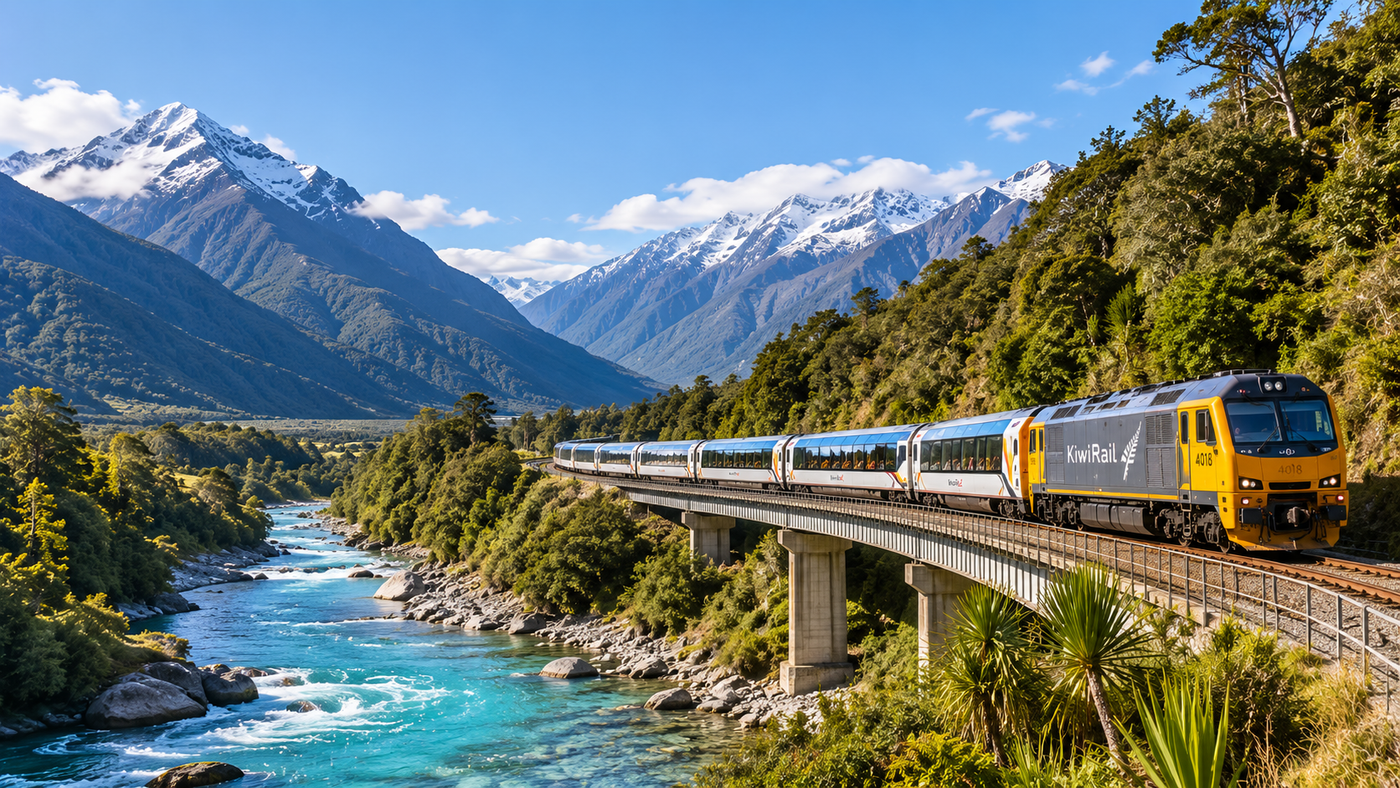
Auckland, Rotorua and Wellington work well by flight, bus and organised tour, but many South Island and national-park itineraries are easiest with a rental car or campervan. Distances are deceptive and driving is on the left; carry your valid licence and check whether an English translation or International Driving Permit is required. The Cook Strait ferry links the North and South Islands and books out in summer. Budget for fuel, ferries, one-way fees and long drives between stops.
GST and why there is no tourist refund
New Zealand applies a 15% GST to most goods and services, usually already included in advertised prices, so the shelf price is what you pay. Unlike VAT-refund countries, New Zealand has no departing-tourist GST refund scheme, so do not expect an airport refund on your shopping.
Cash declaration entering New Zealand
There is no limit on how much money you may carry, but bringing NZD 10,000 or more in cash, or the foreign-currency equivalent, into or out of New Zealand requires a Border Cash Report. Customs and biosecurity declarations are separate obligations; complete each honestly.
Great Walks and national parks
Most New Zealand national parks are free to enter, but the Great Walks and many huts and campsites use track, season and residency-based pricing and popular dates sell out well in advance, so book early through the Department of Conservation. Check DOC alerts before any hike, as weather, river levels, snow and track damage can change quickly, and respect rāhui and local closures.
New Zealand money FAQs
It depends on the passport you hold. Visa-waiver visitors need an approved NZeTA and pay the International Visitor Levy; others need a visitor visa. Everyone completes the free New Zealand Traveller Declaration. Check Immigration New Zealand for your passport before booking.
The International Visitor Conservation and Tourism Levy is NZD 100 per eligible visitor, paid alongside the NZeTA or visa. It is non-refundable and payable each time you request a new NZeTA.
Biosecurity rules are strict. Declare all food, plant and animal products and used outdoor gear, even if cleaned or packaged. Failing to declare a risk item can bring an instant NZD 400 fine, while declaring is free and carries no penalty.
Use a low-foreign-transaction-fee card or a multi-currency travel card, a separately issued backup card, and a modest NZD cash float. Compare exchange rates, foreign-transaction fees, ATM charges and any card surcharge before travel.
A NZD 150 to 300 float suits many card-using visitors at the start of a trip; most large costs go on a card. Carry a little more for remote road trips and small rural stops.
There is no limit on how much you may carry, but NZD 10,000 or more in cash or foreign equivalent, in or out, requires a Border Cash Report.
Usually yes in cities and tourist towns; rural areas and some parks can be limited. Your issuer may charge a foreign-transaction fee, and some merchants add a card surcharge, so check before tapping.
Choose NZD. Paying in your home currency may trigger dynamic currency conversion, where the merchant or processor sets the exchange rate and may add a significant margin.
No. New Zealand applies 15% GST, usually included in prices, but there is no departing-tourist GST refund scheme, so do not expect an airport refund on shopping.
Carry your valid home-country licence; if it is not in English you generally need an accredited English translation or an International Driving Permit. Driving is on the left and distances are longer than they look.
Most national parks are free to enter, but the Great Walks and many huts and campsites are paid, use seasonal pricing and book out early through the Department of Conservation.
They can appear at some merchants for contactless or credit payments. Check the amount before you tap and use a lower-cost method or cash where it is cheaper.
Sort your New Zealand Dollar before you fly
Lock the rate, carry the right mix of cash and card, and know today’s NZD rate before you book.
Official sources reviewed
- Immigration New Zealand — NZeTA and the International Visitor Levy
- Biosecurity New Zealand (MPI) — Arriving in New Zealand and declarations
- New Zealand Customs Service — Border Cash Report (NZD 10,000)
- Inland Revenue — GST
- Department of Conservation — National parks and Great Walks
- Waka Kotahi NZ Transport Agency — Driving in New Zealand
- Tourism New Zealand — General travel guidance
Last reviewed 31 July 2026 by Matrix Forex Editorial Team. Next review due 31 October 2026.
Plan your new zealand dollar money before you fly
Check today’s rate, load a multi-currency forex card, or speak to a Matrix Forex expert about the right travel-money mix.
RBI Authorised Dealer Category-II, Licence No. NDL-ADII-0023-2023 · Serving 3 lakh+ customers