 US Dollar
 Euro
Euro British Pound
 UAE Dirham
 Australian Dollar
 Singapore Dollar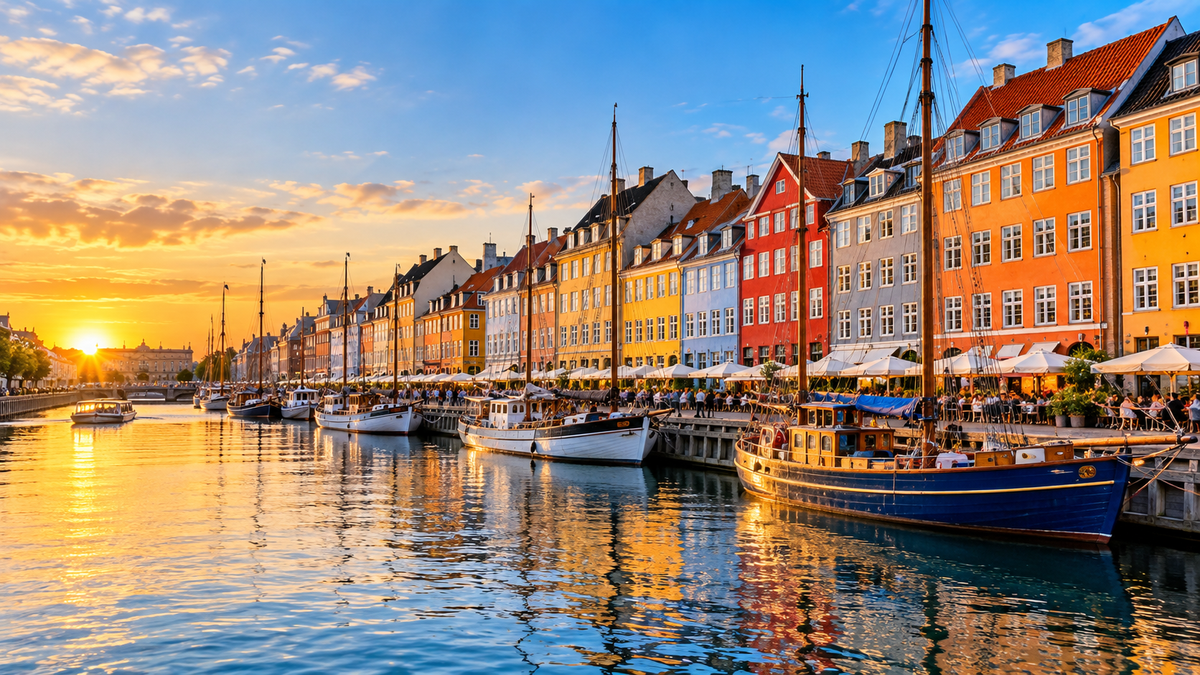
Copenhagen Travel Guide
Buy Danish KronerCopenhagen at a glance
Copenhagen is Denmark's capital and its most visited city: canals, royal palaces, Tivoli Gardens and one of Europe's best food scenes, in a centre you can walk or cycle. It is also one of Europe's most expensive cities, so the money side needs more planning than in most places. Three to four days covers the essentials, and Odense is a day trip, a little over an hour away on the fastest trains.
From 1 October 2026, SAS flies nonstop between Mumbai and Copenhagen five times a week. The airport metro runs around the clock and reaches the centre in about 14 minutes; a single ticket costs DKK 30, and a 24-hour City Pass covering the airport and central zones DKK 100. Indian passport holders need a Schengen visa, and at your first entry the EU's Entry/Exit System records your fingerprints and photo.
Nyhavn's 17th-century harbourfront is free to walk, and a canal tour is the classic first outing. Tivoli Gardens, opened in 1843, prices entry by date, DKK 200 to 230 on most autumn 2026 dates, before rides. The changing of the guard at Amalienborg, the royal family's Copenhagen home, takes place daily at noon, Rosenborg Castle holds the Crown Jewels (DKK 140 online), and the National Museum costs DKK 150, or DKK 135 online.
The Copenhagen Card Discover covers more than 80 attractions and unlimited public transport across the capital region, including the airport metro: DKK 589 for 24 hours, DKK 859 for 48 and DKK 1,039 for 72. It pays off if you see three or more paid sights a day and ride the metro; on a slow trip built around parks, harbour walks and free sights, single tickets work out cheaper.
Where to stay
The centre is compact, so any of these puts the main sights a short walk, bike ride or metro stop away.
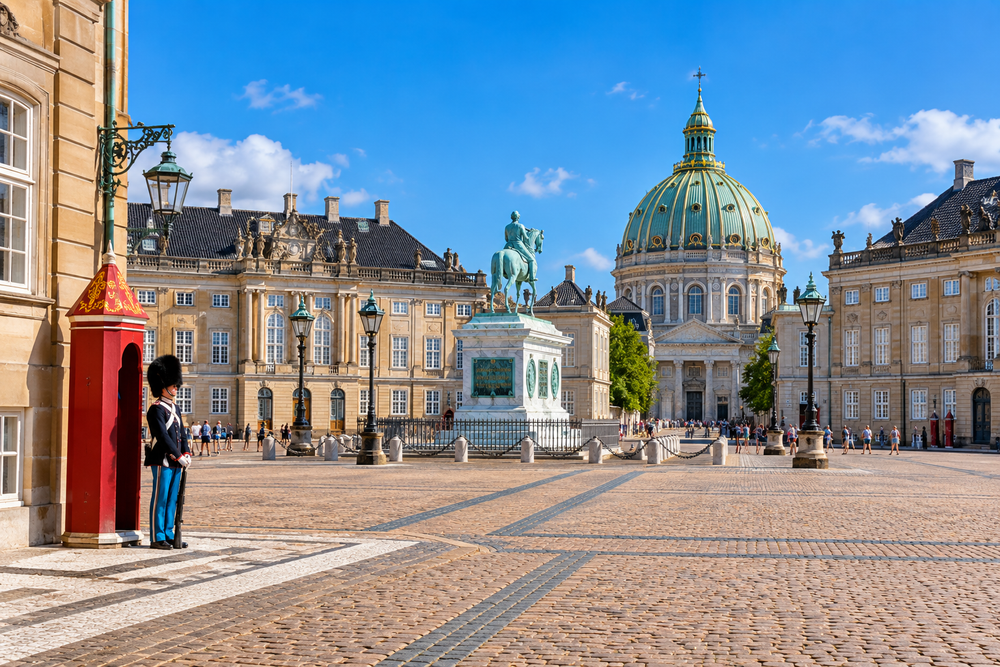
Indre By
The historic centre: walkable to Nyhavn, Strøget, Tivoli and the palaces. The most convenient base, and priced for it.

Vesterbro
West of Copenhagen Central Station, with the Meatpacking District's restaurants and bars. A little cheaper than the centre and close to Tivoli.
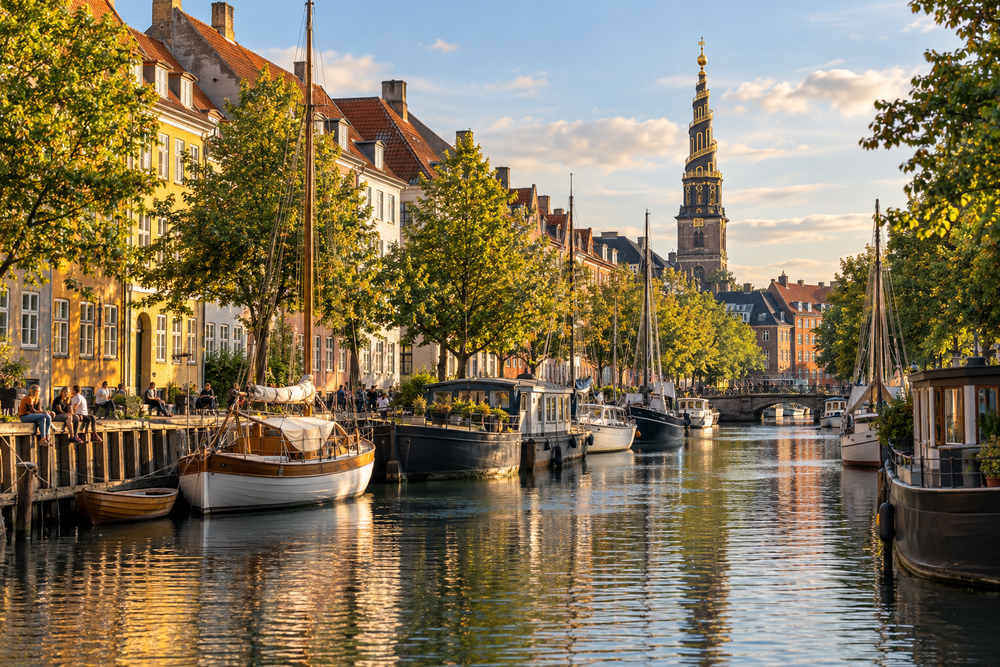
Christianshavn
Canal-side streets across the harbour, on the metro line from the airport. Quieter than the centre, and a short walk from Nyhavn.
Paying in Copenhagen
For the krone itself, entry rules for Indians, the VAT refund and how much cash to carry, see the Denmark travel guide.
Cards and phones are the norm, and a working card is essential. By law, shops, cafes and restaurants that take cards must also take cash between 6 am and 10 pm, so a krone float is a workable backup; unstaffed machines, online sales and late-night venues can be card-only. A float of DKK 500 to 1,000 is plenty; choose kroner whenever a terminal offers a currency choice.
What Copenhagen actually costs
Set the length and style of your trip to see what to budget, in Danish kroner and Indian rupees.
Indicative, excluding international flights and accommodation, per person per day. Converted at the verified mid-market rate on 29 September 2026, DKK 1 ≈ ₹14.60, not a Matrix board rate.
Budget roughly ₹5,840 to ₹21,890 per person per day on the ground, excluding flights and accommodation.
| Item | Cost |
|---|---|
| Coffee | DKK 35-55 |
| Casual meal or street food | DKK 100-180 |
| Metro single, airport to the centre | DKK 30 |
| City Pass, 24 hours, airport and centre | DKK 100 |
| Tivoli Gardens entry, autumn 2026 | DKK 200-230 |
| Rosenborg Castle, online | DKK 140 |
Getting around
The metro, S-trains, buses and harbour buses share one ticket system, and the metro runs 24 hours a day. Buy tickets at station machines or in the official transport app, or get a City Pass for unlimited travel in the central zones. Cycling is how Copenhageners get around, and rental bikes are everywhere.
Common mistakes in Copenhagen
Assuming euros are accepted
Denmark uses the krone. It is pegged to the euro, but tills price and settle in kroner, and the rare place that takes euros gives a poor rate.
Paying in rupees at the card machine
When a terminal or ATM offers to charge you in rupees, choose kroner. The rupee option lets the operator set its own rate.
Buying the Copenhagen Card for a slow trip
It pays off with three or more paid sights a day. Parks, harbour walks and free sights don't need it.
Budgeting as if it were the rest of Europe
Copenhagen is among Europe's priciest cities: a casual meal runs DKK 100 to 180, about ₹1,460 to ₹2,630.
Copenhagen FAQs
Yes. Indian passport holders need a Schengen visa, applied for through VFS Global for the Danish embassy. The visa fee is €90 for adults, plus the VFS service charge, and you can apply up to six months ahead; from March to September, apply at least four weeks before you travel. ETIAS, the EU's planned travel authorisation, is only for visa-exempt travellers and does not replace the visa.
SAS flies nonstop between Mumbai and Copenhagen five times a week from 1 October 2026. Other routes connect through a Gulf or European hub.
If you see three or more paid sights a day and use public transport, yes. The Discover card costs DKK 589 for 24 hours, DKK 859 for 48 and DKK 1,039 for 72, and covers the airport metro.
By metro, about 14 minutes to the centre, around the clock. A single ticket costs DKK 30, and a 24-hour City Pass that covers the airport DKK 100.
Card and phone first. By law, though, shops and restaurants that take cards must also accept cash from 6 am to 10 pm, so a small krone float still works as a backup.
On 29 September 2026 one krone was ₹14.60 at the mid-market rate, so DKK 100 is about ₹1,460.
More guides in Denmark
Buy danish krone before you fly
See your Matrix rate and the applicable charges before you confirm. Order online for doorstep delivery or collect from your nearest branch.
RBI Authorised Dealer Category-II, Licence No. NDL-ADII-0023-2023 · Same-day delivery · Serving 3 lakh+ customers