 US Dollar
 Euro
Euro British Pound
 UAE Dirham
 Australian Dollar
 Singapore Dollar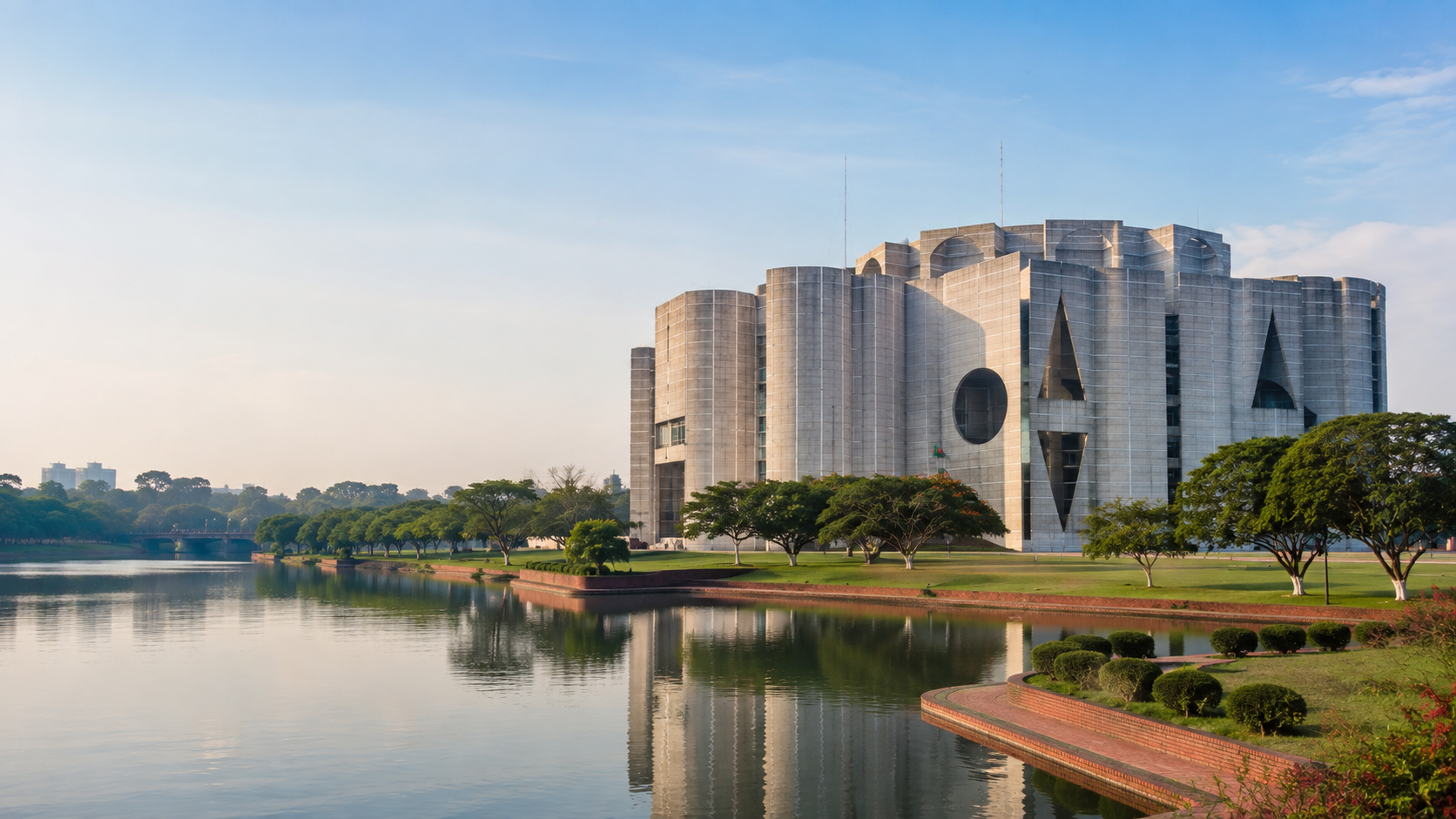
Bangladesh Travel Guide
A practical Bangladesh travel guide for international travellers: the Bangladeshi taka, cash versus cards, passport-based entry and visa on arrival, safety considerations, transport, regional budgets and money tips.
Bangladesh money at a glance
Currency
Bangladeshi taka (BDT), symbol ৳. Common notes are Tk 10, 20, 50, 100, 200, 500 and 1,000; keep smaller notes for transport and local buys.
Paying
Cash-leaning. Larger urban businesses, hotels, airlines and malls increasingly take cards and QR, but small merchants and transport usually prefer cash.
Cash for a week
Around BDT 5,000 to 10,000 is a practical starting float for travellers using cards for larger expenses.
Entry
Depends on the passport held; passport-based visa rules apply and visa on arrival may be available for eligible travellers. See the entry section and fees panel.
Daily budget
Approximately BDT 7,000 to 18,000 per person per day for a mid-range trip, excluding international flights and premium guided tours.
Safety
Conditions can change; check your government's current travel advisory before booking remote or sensitive-area travel.
Bangladesh is more cash-dependent than many East Asian or Gulf destinations. Larger urban businesses increasingly accept cards, and Bangladesh Bank supports card, QR and mobile payment systems, but small merchants and transport operators often prefer cash. Network interruptions, overseas-card acceptance and issuer controls can affect transactions. A sensible setup is BDT cash for everyday spending, one internationally enabled card for larger purchases and a separate backup card stored securely.
Best places to visit in Bangladesh
Dhaka anchors most trips, with Cox's Bazar for the coast, Sylhet and Srimangal for tea country, the Sundarbans via Khulna, and Rajshahi for heritage. Traffic and transport reliability shape itineraries, so group sights geographically.
 Central
Dhaka
Old Dhaka, Ahsan Manzil, Lalbagh Fort, museums, food and urban history.
 Southeast coast
Cox's Bazar
Long beaches, seafood and Himchari and Inani day trips.
 Northeast
Sylhet and Srimangal
Tea estates, Lawachara forest and slower countryside travel.
 Southwest
Khulna and the Sundarbans
UNESCO heritage, river landscapes and organised mangrove trips.
 Northwest
Rajshahi and Paharpur
Archaeology, mosques, museums and silk and mango country.
| City | Region | Daily budget | Paying | In short |
|---|---|---|---|---|
| Dhaka | Central | BDT 9,000-20,000 | Mixed; cash for local, cards at larger businesses | Old Dhaka, Ahsan Manzil, Lalbagh Fort, museums, food and urban history. |
| Cox's Bazar | Southeast coast | BDT 8,000-20,000 | Cash important; cards at established hotels | Long beaches, seafood and Himchari and Inani day trips. |
| Sylhet and Srimangal | Northeast | BDT 7,000-16,000 | Cash-first outside larger hotels | Tea estates, Lawachara forest and slower countryside travel. |
| Khulna and the Sundarbans | Southwest | BDT 8,000-20,000 | Cash-first; tours arranged in advance | UNESCO heritage, river landscapes and organised mangrove trips. |
| Rajshahi and Paharpur | Northwest | BDT 7,000-15,000 | Cash-first with urban card pockets | Archaeology, mosques, museums and silk and mango country. |
What things cost in Bangladesh
| Local meal or street food | BDT 100 to 300 |
|---|---|
| Casual restaurant meal for one | BDT 300 to 700 |
| Sit-down dinner for two | BDT 1,200 to 3,000 |
| Dhaka Metro or local transport | BDT 20 to 100 |
| Mid-range hotel per night | BDT 4,000 to 9,000, higher in central Dhaka |
| Domestic flight | BDT 5,000 to 12,000 depending on route |
| Guided nature or Sundarbans tour | arranged in advance; varies widely |
Budget roughly ₹5,000 to ₹13,000 per person per day on the ground, two sharing a room and excluding flights.
Budget ranges are editorial planning estimates based on typical mid-range travel costs reviewed in July 2026, for one person, two sharing a room, excluding international flights and premium guided tours. Actual prices vary by region, season and choices.
Entry and safety to check
USD 50, up to 30 days for eligible travellers and purposes; guidance commonly requires a return ticket, accommodation or invitation details and at least USD 500 in funds. It is discretionary, so confirm with a Bangladesh mission before travel and carry a backup plan.
Bangladesh Special Branch (VoA) →Conditions can change. Check your government's current travel advisory before booking remote or sensitive-area travel, and follow local guidance near your travel date.
Government travel advisories →Money in Bangladesh, in detail
Bangladesh is affordable by international standards and rewards careful planning. It is more cash-dependent than many neighbours: larger city businesses take cards and QR, but small merchants, transport and rural areas usually want cash. Entry depends on the passport held, with passport-based visa rules and visa on arrival available for eligible travellers at the immigration officer's discretion. Budget around BDT 7,000 to 18,000 per person per day for a mid-range trip. Carry a BDT cash float plus an internationally enabled card and a secure backup, book reputable transport, and check current travel advisories before committing to remote travel.
Understanding the taka exchange rate
Compare the final BDT amount after exchange margins, overseas card fees and ATM charges rather than a headline rate. Carry a modest cash float and at least one backup payment method, and keep exchange receipts where the provider or local rules require them.
How much taka to carry
Around BDT 5,000 to 10,000 is a practical starting float for travellers who use cards for larger expenses. Cash covers everyday spending, transport, small merchants and rural areas where cards are not accepted. Top up as you go and keep a secure backup card separate from your main wallet.
Cards, cash and mobile payments
Larger hotels, airlines, malls and city businesses increasingly accept cards and QR, and Bangladesh Bank supports card, QR and mobile payment systems, but a cash-first setup is safest.
- Cash for daily life: small merchants, transport and rural areas usually prefer cash.
- One card for big purchases: enable international use and know your issuer's fees; acceptance and network reliability can vary.
- Backup: carry a second card stored securely and decline any home-currency conversion offer.
The best ATM approach in Bangladesh
Use ATMs at recognised banks, ideally in staffed branches, shopping centres or secure hubs. Review the operator fee, withdraw a sensible amount rather than many small ones, and keep the receipt. Overseas-card acceptance varies by machine, so try a major bank if one ATM declines.
Bangladesh visa and entry
Bangladesh uses passport-based visa rules. The official online MRV portal lets you complete visa application forms, but an online form is not automatically an electronic travel authorisation: you may still need to print documents and submit them to a Bangladeshi mission. Visa on arrival exists for eligible travellers and purposes, but approval is at the immigration officer's discretion, so obtain confirmation before travel and carry a backup plan. See the current visa-on-arrival conditions in the fees panel above.
Getting around Bangladesh
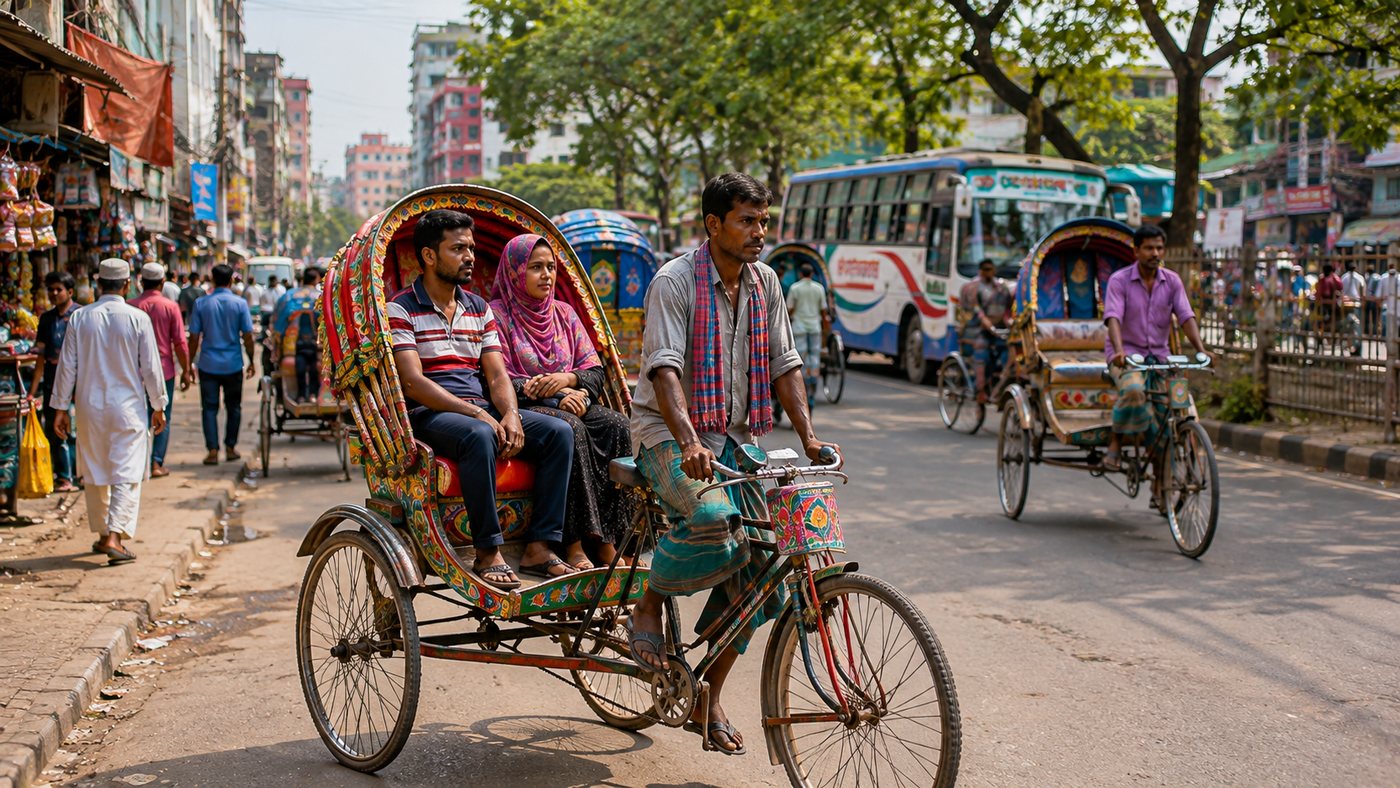
Dhaka combines the Metro, buses and pre-arranged cars; intercity travel uses domestic flights, trains, coaches and river launches. Traffic dominates travel times in and around Dhaka, so group sights geographically and avoid tight airport connections. Book reputable operators for long-distance and nature travel, and arrange Sundarbans and remote tours in advance.
Tax, customs and currency declaration
Bangladesh applies VAT to many goods and services, often already included in prices. There is no general tourist VAT refund. Foreign currency above the official threshold should be declared to customs on arrival, and larger amounts may need a declaration form, so check current Bangladesh Bank and customs guidance and keep exchange receipts.
Safety and advisories
Bangladesh rewards travellers who plan carefully, but security conditions, weather and transport reliability can affect itineraries. Check your government's current travel advisory before booking, follow local guidance, and verify conditions for remote or sensitive areas near your travel date rather than relying on older information.
Bangladesh money FAQs
It depends on the passport held. Bangladesh uses passport-based visa rules; you may apply online via the MRV portal and submit documents to a mission, and visa on arrival may be available for eligible travellers. Approval is discretionary, so confirm before travel.
Visa on arrival may be available for eligible travellers and purposes, commonly for up to 30 days with a USD 50 fee, a return ticket, accommodation details and at least USD 500 in funds. It is at the immigration officer's discretion, so obtain confirmation before travel and carry a backup plan.
More cash-dependent than many neighbours. Larger hotels, airlines and city businesses take cards and QR, but small merchants, transport and rural areas usually prefer cash. Carry a BDT float plus a card for bigger purchases.
Around BDT 5,000 to 10,000 is a practical starting float if you use cards for larger costs. Cash covers daily spending and rural areas; top up as you go and keep a secure backup card.
BDT cash for everyday spending, one internationally enabled card for larger purchases and a separate backup card. Compare exchange rates, card charges and ATM fees before travel, and confirm any cash-purchase options with your provider.
Conditions can change. Check your government's current travel advisory before booking, follow local guidance, and verify the situation for remote or sensitive areas close to your travel date.
At larger hotels, airlines, malls and city businesses, usually yes; acceptance is patchier for small merchants, transport and rural areas. Network reliability and issuer controls can affect transactions, so keep cash and a backup card.
Choose taka (BDT). Paying in your home currency at a terminal or ATM can trigger dynamic currency conversion, where the operator sets the rate and may add a margin.
Foreign currency above the official threshold should be declared to customs on arrival, and larger amounts may need a declaration form. Check current Bangladesh Bank and customs guidance and keep exchange receipts.
Use ATMs at recognised banks in staffed branches or secure hubs. Overseas-card acceptance varies by machine, so try a major bank if one declines, review the operator fee and keep the receipt.
Tipping is modest and appreciated for good service, such as small amounts for hotel staff, drivers and guides; carry small notes for this and for local transport.
Dhaka uses the Metro, buses and pre-arranged cars; intercity travel uses flights, trains, coaches and river launches. Traffic dominates Dhaka travel times, so group sights and avoid tight airport connections.
Sort your Bangladeshi Taka before you fly
Lock the rate, carry the right mix of cash and card, and know today’s BDT rate before you book.
Official sources reviewed
- Bangladesh Special Branch — Visa on arrival conditions
- Bangladesh missions / MRV portal — Tourist visa application
- Bangladesh Bank — Foreign-currency and customs guidance
- Government travel advisories — Current safety guidance
- Bangladesh Tourism Board — General travel guidance
Last reviewed 31 July 2026 by Matrix Forex Editorial Team. Next review due 31 October 2026.
Plan your bangladeshi taka money before you fly
Check today’s rate, load a multi-currency forex card, or speak to a Matrix Forex expert about the right travel-money mix.
RBI Authorised Dealer Category-II, Licence No. NDL-ADII-0023-2023 · Serving 3 lakh+ customers